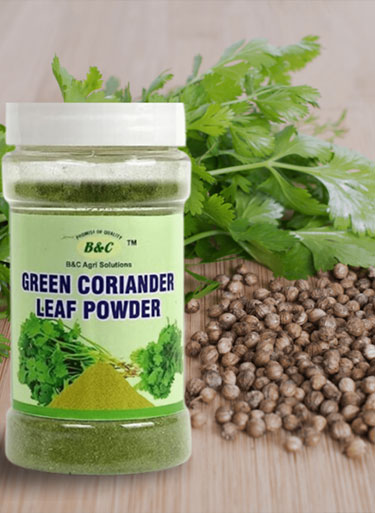
If you love Indian food, you’ve probably heard dhania mentioned in recipes, markets, and gardens. But what exactly is the difference between coriander and dhania?
Spoiler: They are the same plant — Coriandrum sativum — but the words “coriander” and “dhania” are used differently depending on what part of the plant we are talking about and where you are. Let’s explore this in a clear Indian context with examples and usage.
1. Coriander vs. Dhania — Language and Usage
Dhania
-
Dhania is the Hindi word commonly used in India.
-
You’ll hear this name in markets across Delhi, Kolkata, Chennai, Ahmedabad — essentially all over India.
-
Every Indian cook knows dhania as both a leaf and seed ingredient in everyday cooking.
-
Coriander is the English botanical name.
-
In Western kitchens, “coriander” often refers to the seeds, and “cilantro” refers to the fresh leaves.
-
In India, the word coriander may be used in English-mixed conversations, for example: “Add coriander seeds to the tempering.”
So, in an Indian kitchen, saying dhania and coriander generally refers to the same plant — it’s mostly about language and tradition.
2. The Parts — Leaves vs. Seeds
Although they come from the same plant, the leaves and seeds are used very differently in Indian cuisine.
Fresh Leaves (Dhania Leaves / Coriander Leaves)
-
Known simply as dhania in Hindi and other Indian languages.
-
Widely used as a garnish or flavor base in almost all Indian dishes: dal, sabzi, biryani, chutney, raita, chaat, and more.
Example:
-
Dhania chutney — a popular Indian accompaniment made with fresh leaves, green chilli, lemon, and spices.
-
The leaves have a fresh, citrusy, slightly spicy aroma and are added at the end of cooking or fresh on the plate.
Seeds (Dhania Seeds / Coriander Seeds)
-
Called dhania ke beej in Hindi.
-
Used whole or ground into dhaniya powder — an essential spice in Indian kitchens.
-
The seeds have a warm, nutty, citrus flavor.
Example: Dhaniya powder is a foundational spice in Punjabi curries and South Indian sambar.
Coriander — whether in leaf or seed form — is one of the most versatile plants in Indian cuisine.
Fresh Dhania Leaves
-
Used in chutneys, salads, raita, and as garnish.
-
Often tossed into hot dals or curries at the last minute to retain aroma.
Coriander Seeds
4. Nutritional and Health Notes
Coriander/dhania isn’t just a flavor booster, it also has health benefits:
-
Rich in vitamins A, C, and K.
-
Contains antioxidants and aids digestion.
-
Traditional Indian remedies often recommend dhania water (soaked seeds) to support gut health.
So whether you grow dhania in your terrace garden in Mumbai or buy coriander leaves in a Pune market, you’re enjoying both taste and health benefits.
5. To Conclude:
Dhania and coriander are names for the same plant — just in different languages.
What changes is how we use the plant:
-
Leaves — fresh, bright, used for flavor and garnish.
-
Seeds — warm and aromatic, used as a spice.
In Indian food culture, both forms are essential, from dhania chutney in North India to spicy sambars in the South,
coriander/dhania enriches our food, health, and culinary heritage.



 vitachatorganic