FREE Express Shipping On Orders Rs.999
FREE Express Shipping On Orders Rs.999


If you often cook Indian food or read spice labels online, you may notice two common terms ,coriander powder and dhania. Many people wonder whether these are two different spices or simply different names for the same ingredient. The truth is simpler than it seems. In most cases, coriander powder and dhania refer to the same spice, but the terminology can vary depending on language, culture, and the form of the ingredient.
Let’s explore the difference and clear the confusion.
Coriander comes from the plant Coriandrum sativum, a popular herb used worldwide in cooking. Different parts of this plant are used in the kitchen. The leaves are commonly known as coriander leaves or cilantro, while the seeds are used as a spice.
In Indian languages, particularly Hindi, the word “dhania” refers to coriander. Fresh leaves are called hara dhania, while the dried seeds are known as sabut dhania. When these seeds are ground into powder, the spice becomes dhania powder, which is essentially the same as coriander powder.
So, when you see coriander powder and dhania powder on packaging or recipes, they usually describe the same spice made from ground coriander seeds.
In practical cooking terms, there is usually no difference between coriander powder and dhania powder. The difference is mainly linguistic.
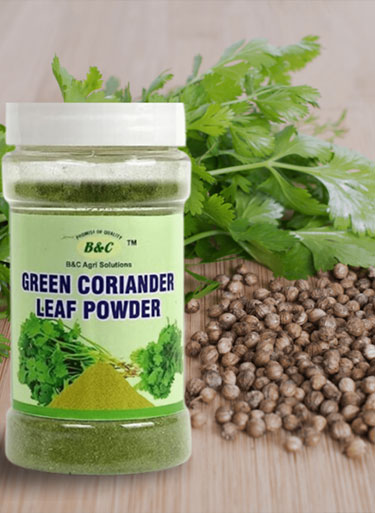
Both are made by drying coriander seeds and grinding them into a fine powder. The spice has a mild, earthy flavour with slightly citrusy and nutty notes.
It is widely used in Indian cooking for curries, lentils, vegetable dishes, marinades, and spice blends like garam masala.
One reason people get confused is because the coriander plant produces two very different ingredients:
Coriander Leaves (Hara Dhania / Cilantro)
Coriander Seeds or Powder (Dhania)
Although they come from the same plant, these ingredients serve different purposes in cooking and have completely different flavour profiles.
Coriander powder is considered a foundation spice in many Indian recipes. It balances strong spices such as chilli, turmeric, and cumin while adding aroma and depth.
Some common dishes that use coriander powder include:
Because of its mild flavour, coriander powder blends easily with other spices and enhances overall taste without overpowering the dish.
Besides its flavour, coriander powder also provides several nutritional benefits. It contains natural antioxidants and essential oils that may help support digestion and metabolism.
In traditional cooking, coriander has also been associated with aiding digestion and improving gut health.
To summarise, coriander powder and dhania powder are essentially the same spice. The only difference lies in the language used to describe it. Coriander powder is the English name, while dhania powder is the commonly used Indian term for ground coriander seeds.
Understanding this simple distinction can make cooking and grocery shopping much easier. Whether your recipe calls for coriander powder or dhania powder, you can confidently use the same spice to bring authentic flavour to your dishes.
For home cooks exploring Indian cuisine, keeping this versatile spice in your kitchen is almost essential. Its warm, aromatic flavour forms the backbone of many traditional recipes and continues to be a staple in kitchens around the world.

 vitachatorganic