FREE Express Shipping On Orders Rs.999
FREE Express Shipping On Orders Rs.999


Indian cuisine is incomplete without spices. From the golden hue of haldi to the warm aroma of garam masala, spices define the flavor, identity, and medicinal backbone of Indian cooking. However, the hidden reality of conventional spice processing—pesticide residues, heavy metals, and adulteration—is shifting consumer preferences toward organic alternatives.
Choosing organic masalas is no longer just a gourmet preference; it is a critical step toward long-term wellness.
Commercial spice farming relies heavily on synthetic pesticides, chemical fertilizers, and artificial drying processes. Recent regulatory inspections by the Food Safety and Standards Authority of India (FSSAI) have heightened scrutiny over pesticide residues—such as Ethylene Oxide (EtO)—and artificial coloring agents like Metanil Yellow found in low-grade turmeric.
Furthermore, conventional industrial milling subjects spices to high-friction grinding. This process generates intense heat, causing up to 30–40% loss of volatile essential oils, reducing both natural flavor and essential antioxidants.
| Attribute | Conventional Masalas | Certified Organic Masalas |
|---|---|---|
| Pesticides & Fertilizers | High risk of synthetic chemical residues | 100% natural, bio-pesticide farming |
| Adulteration Risk | Fillers, artificial dyes (e.g., Lead Chromate) | Pure whole spices ground without fillers |
| Nutrient & Oil Retention | Low (degraded by heat-intensive milling) | High (cold-milled to retain volatile oils) |
| Certification | Basic food safety license | FSSAI, Jaivik Bharat, NPOP Certified |
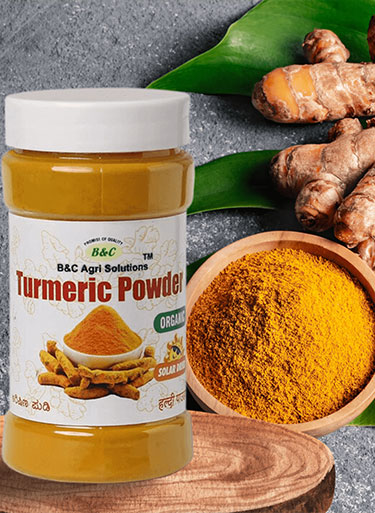
Organic spices deliver uninterrupted therapeutic benefits. For instance, organic turmeric contains 3% to 5% active Curcumin alongside natural essential oils like turmerone, which aids absorption. In contrast, chemically grown turmeric often undergoes curcumin extraction before being sold as ground powder.
Synthetic dyes like Metanil Yellow (used in turmeric) and Sudan dyes (used in red chili powder) are toxic chemicals linked to liver and kidney strain. Organic certification mandates zero synthetic additives, ensuring clean nutrition for your family.
Organic spice processors utilize slow, cold-grinding techniques (such as traditional chaki or low-heat milling). This preserves critical bio-compounds:
Pesticide residues in non-organic food can disrupt gut microflora balance. Pure organic masalas support digestion by stimulating salivary amylase and gastric enzymes naturally without damaging the intestinal mucosal lining.
The demand for organic products across urban India—from Mumbai to Bengaluru—is growing rapidly as consumers prioritize clean eating. Incorporating unadulterated masalas into everyday dishes like dal, sabzi, and kadha maximizes immune resilience.
To ensure authenticity when shopping:
For personalized nutrition insights and wellness advice on clean eating habits, visit VitaChat to discover how small pantry swaps lead to lasting health outcomes.

 vitachatorganic