FREE Express Shipping On Orders Rs.999

The “Curry Powder” Lie: Why Authentic Indian Kitchens Never Actually Use Curry Powder

Walk into any supermarket outside India and you will find a brightly coloured jar labelled “Curry Powder.” It promises to deliver the taste of Indian food in one spoonful. But here’s the truth—most Indian homes have never used something called curry powder. In fact, the idea of a single, universal spice blend for all Indian dishes is a misunderstanding of India’s deeply regional and diverse food culture.

Indian Cooking Is Built on Fresh, Flexible Masalas

Indian cuisine is not based on one fixed spice mix. Instead, it relies on masalas—custom blends of spices that change depending on the dish, the season, and even the family. A fish curry in Bengal, a vegetable sabzi in Rajasthan, and a chicken dish in Kerala all require very different spice combinations.

In Indian kitchens, spices like cumin, coriander, turmeric, black pepper, cloves, cardamom, and dried chillies are either used whole or freshly ground in specific proportions. This allows the cook to control flavour, heat, and aroma with precision. A single premade curry powder cannot replicate this complexity.

Where Did Curry Powder Come From?

The idea of curry powder was created during British colonial times. British traders and officials in India wanted a convenient way to recreate Indian flavours back home. So they mixed a few commonly used spices into one generic blend and called it curry powder. This simplified version was then exported to Europe and beyond.

Over time, this blend became widely accepted as “Indian curry,” even though it doesn’t exist in Indian households. What it really offers is a flat, one-note flavour that lacks the depth and freshness of real Indian masalas.

Why Indian Spices Are Used Differently

Indian cooking often involves roasting and grinding spices just before use. This releases essential oils that give dishes their signature fragrance and taste. Freshly ground spices also carry more of their natural health benefits, such as aiding digestion, improving metabolism, and supporting immunity.

In contrast, packaged curry powder is often months old. By the time it reaches your kitchen, much of its aroma and potency is already lost. This is why food cooked with it can taste dull or muddy.

The Real Indian Way

Instead of using curry powder, Indian kitchens use spice blends tailored to each dish—like garam masala for North Indian gravies, sambar powder for South Indian lentils, or panch phoron in eastern India. These blends are designed to complement ingredients, not overpower them.

With platforms like VitaChat, people can now learn about authentic spices, their uses, and how to build flavour naturally. Understanding spices helps bring Indian cooking closer to its roots.

There is no such thing as one true “curry powder” in India. Real Indian food is built on fresh spices, regional blends, and thoughtful combinations. When you move beyond the myth of curry powder, you discover a richer, healthier, and far more exciting way to cook ,just as Indian kitchens have done for centuries.


The Expiry Date Myth: How to Tell If Your Ground Spices Have Actually Gone “Dead” — and How to Revive Them

In Indian kitchens, spices are more than ingredients—they are the soul of every dish. From garam masala in North India to sambar powder in the South, our daily cooking depends on the aroma and strength of ground spices. Yet many people throw away spices simply because the expiry date has passed. In reality, spices do not spoil in the same way food does. They don’t become harmful—but they can become “dead”, meaning they lose their flavour, colour, and healing power.

Understanding how to judge spice quality can save money, reduce waste, and bring back the true taste of Indian cooking.

What Does Dead Spice Really Mean?

Ground spices lose their strength mainly due to exposure to air, light, moisture, and heat. Over time, the essential oils that give spices their fragrance and medicinal value slowly evaporate. This is why a packet of turmeric or chilli powder that looks fine may no longer deliver the same punch in your curry.

In India’s hot and humid climate, spices stored improperly fade faster. This is why a six-month-old spice kept near the stove may be weaker than a one-year-old spice stored in a cool, dry place.

How to Check If Your Spices Are Still Alive

The easiest test is your nose. Open the container and smell the spice. Fresh spices release a strong, rich aroma. If it smells dull, dusty, or weak, the spice has likely lost much of its power.

Next, look at the colour. Indian spices like turmeric, red chilli, and coriander should be vibrant. If the colour looks faded or greyish, it’s a sign the spice has aged.

Finally, rub a small amount between your fingers. Fresh spice releases natural oils and fragrance. If it feels dry and lifeless, it has gone “dead”.

Can You Revive Old Ground Spices?

Yes—many ground spices can be revived to some extent. A simple Indian kitchen trick is dry roasting. Heat a pan on low flame and lightly warm the spice for a few seconds. This releases trapped oils and brings back aroma. Be careful not to burn it.

Another method is to mix old ground spice with a small amount of freshly ground spice. This refreshes the flavour and balances the dullness.

For masalas, adding a pinch of whole roasted cumin, coriander, or black pepper powder can also lift the taste.

Smart Storage for Indian Homes

To keep spices fresh longer, store them in airtight containers, away from sunlight and heat. Avoid keeping them above the stove or near windows. Moisture is the biggest enemy of Indian spices, so always use dry spoons.

A Better Way to Enjoy Spices

Digital platforms like VitaChat help people learn how to use, store, and benefit from natural food ingredients. Understanding spices beyond their expiry date helps preserve both flavour and health benefits.

Your spices may not be spoiled just because the date has passed ,but they may be tired. With simple tests and easy revival methods, you can bring your spice box back to life and enjoy richer, healthier Indian meals once again.

Beyond Taste: Why Your Spice Box Is Actually Your First Medicine Cabinet

In Indian homes, the spice box—often called the masala dabba—has always been more than just a cooking companion. Long before modern medicine reached villages and towns, Indian families relied on spices not only to flavour food but also to support health and healing. Even today, many of the ingredients in our kitchens double as powerful natural remedies, making the humble spice box our very first medicine cabinet.

Ancient Wisdom Rooted in Ayurveda

India’s traditional systems of medicine, especially Ayurveda, have recognised the healing properties of spices for thousands of years. Spices were used to balance digestion, boost immunity, and prevent disease. This knowledge was passed down through generations and is still widely practised in Indian households.

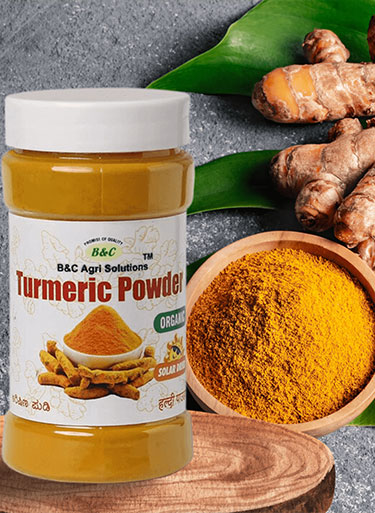
Take turmeric, for example. Known as haldi, it is a staple in Indian cooking and a trusted home remedy. Turmeric contains curcumin, which has natural anti-inflammatory and antioxidant properties. Whether applied to wounds, added to milk, or mixed into food, turmeric has long been used to support healing and immunity.

Spices That Support Everyday Health

  • Ginger is another powerful spice commonly found in Indian kitchens. It helps relieve nausea, improves digestion, and reduces cold and cough symptoms. A cup of ginger tea is often the first line of defence during seasonal flu or throat discomfort.
  • Garlic is known for its heart-healthy and immune-boosting benefits. In many Indian homes, raw garlic or garlic-infused meals are consumed to help manage blood pressure and support respiratory health.
  • Cumin, or jeera, aids digestion and helps reduce bloating. Drinking cumin water is a common practice after heavy meals.Fennel seeds, or saunf, are also used to cool the body and freshen the breath while supporting digestive health.
  • Black pepper may seem small, but it plays a big role in nutrient absorption. When combined with turmeric, it helps the body absorb curcumin more effectively, making traditional Indian recipes both tasty and medicinal.

Why Spices Matter More Today

With rising lifestyle disorders, stress, and changing food habits in India, the importance of natural, preventive health care is growing. Spices provide a simple and affordable way to support wellness on a daily basis. They don’t replace medical treatment, but they help strengthen the body and improve resilience against illness.

Moreover, spices grown in Indian soil carry trace minerals and plant compounds that benefit both immunity and metabolism. When used regularly, they contribute to long-term health without side effects.

Blending Tradition with Modern Awareness

Platforms like VitaChat help connect traditional knowledge with modern understanding by providing insights into nutrition, wellness, and the role of natural ingredients in everyday life. By learning how our food supports our health, we can make better choices for ourselves and our families.

Your spice box is more than a collection of flavours ,it is a heritage of healing. By using Indian spices mindfully, you not only enhance the taste of your meals but also nurture your body. In a world full of quick fixes, sometimes the best medicine is already waiting in your kitchen.

Season-Wise Fertilizer Planning for Indian Farms

India’s agriculture depends heavily on seasonal cycles. The way crops grow during Kharif, Rabi, and Zaid seasons is influenced by rainfall, temperature, and soil moisture. To get the best results from crops, fertiliser planning must match these seasonal conditions. A season-wise approach helps farmers improve yields, reduce waste, and maintain long-term soil health.

Understanding Indias Three Cropping Seasons

Indian farming mainly follows three seasons. Kharif crops such as rice, cotton, maize, and pulses are grown during the monsoon from June to October. Rabi crops like wheat, mustard, and chickpea are grown from October to March using cooler temperatures and residual soil moisture. Zaid crops, including vegetables and fodder, are grown during the short summer period between March and June.

Each season places different demands on the soil, which is why fertiliser use must be adjusted accordingly.

Fertiliser Planning for Kharif Crops

The Kharif season receives heavy rainfall, which often washes nutrients deep into the soil. Nitrogen, in particular, is easily lost through leaching. Therefore, fertilisers should be applied in split doses rather than all at once.

Basal fertiliser application at sowing should include phosphorus and potassium, which stay longer in the soil. Nitrogen should be applied in two or three stages—early growth, tillering, and flowering. Micro nutrients like zinc and boron are especially important for rice and maize during Kharif, as many Indian soils are deficient in them.

Fertiliser Planning for Rabi Crops

Rabi crops grow in cooler and drier conditions. Because there is less rainfall, nutrients stay in the root zone longer, making fertiliser efficiency higher.

For wheat, mustard, and pulses, fertilisers should be applied before sowing or at the time of irrigation. Balanced use of nitrogen, phosphorus, and potassium is important for good root development and grain formation. Sulphur and zinc also play a key role during this season, particularly for oilseeds and legumes.

Fertiliser Planning for Zaid Crops

Zaid crops are mostly vegetables and fodder crops grown during summer. High temperatures increase water loss and nutrient stress in plants. Water-soluble fertilisers and foliar sprays work best in this season because plants absorb nutrients quickly through leaves.

Small but frequent doses of fertilisers help prevent nutrient wastage and ensure steady plant growth.

The Importance of Soil Testing

Across all seasons, soil testing remains the most important step. Indian soils differ widely in fertility, and blanket fertiliser use often leads to imbalance. Knowing the nutrient status of your soil allows farmers to apply only what is needed, saving money and protecting the soil.

Smart Farming with Digital Support

Modern platforms like VitaChat help farmers make better seasonal decisions by offering crop-specific fertiliser advice and expert guidance. With the right information, farmers can plan fertiliser use according to season, crop, and soil type.

Season-wise fertiliser planning is not complicated, but it is powerful. When farmers match nutrients to crop needs and weather conditions, they get healthier crops, higher yields, and better profits. Thoughtful fertiliser use today ensures productive farms for the future.

Best Fertilizer Practices for Small Land Holdings

In India, the majority of farmers own small and marginal land holdings, often less than two hectares. For these farmers, every crop cycle matters. With limited land and rising input costs, using fertilisers efficiently is not just a choice ,it is a necessity. The right fertilizer practices can increase yields, protect soil health, and improve farm income, even on small plots.

Understand Your Soil First

The foundation of good fertilizer management is knowing your soil. Indian soils vary widely from region to region ,red soils in the south, alluvial soils in the north, black cotton soils in central India, and sandy soils in arid areas. Each type has different nutrient needs.

Getting a soil test done once every two or three years helps farmers understand deficiencies of nitrogen, phosphorus, potassium, and micro nutrients like zinc and boron. When fertilisers are applied based on soil reports, farmers avoid wasting money on unnecessary inputs and ensure crops receive exactly what they need.

Follow Balanced Nutrient Use

Many Indian farmers rely heavily on urea because it is affordable and easily available. However, overuse of nitrogen leads to weak plants, pest attacks, and declining soil fertility. Small land holders benefit more when fertilisers are applied in a balanced way ,combining nitrogen, phosphorus, potassium, and micro nutrients.

Using complex or customised fertilisers along with micro nutrient solutions helps crops grow stronger roots, better flowers, and healthier grains. Balanced nutrition also improves crop quality, which fetches better market prices.

Apply Fertiliser at the Right Time

Timing is just as important as the type of fertiliser. Applying fertilisers all at once leads to losses through leaching and evaporation, especially during heavy rainfall or irrigation.

For crops like rice, wheat, maize, and vegetables, fertiliser should be applied in stages—at sowing, early growth, and flowering. This ensures nutrients are available when plants need them the most and prevents wastage.

Use Organic Matter Along With Fertilisers

Adding farmyard manure, compost, or green manure improves soil structure and increases its ability to hold nutrients. Organic matter also supports beneficial microbes that help plants absorb nutrients more effectively.

Even small farmers can prepare compost from crop residues and animal waste. When organic matter is combined with chemical fertilisers, crops show better growth and soils remain fertile for longer.

Use Water-Soluble and Foliar Nutrients Wisely

For quick correction of nutrient deficiency, foliar sprays and water-soluble fertilisers are very effective. Crops absorb nutrients faster through leaves, especially during flowering and fruit formation.

This method is especially useful for small land holdings, as it requires less product and gives visible results in a short time.

Adopt Smart Farming Support

Digital platforms like VitaChat help Indian farmers make better fertilizer decisions by providing expert advice, soil health insights, and crop-specific recommendations. With the right guidance, small farmers can use fewer inputs while achieving higher productivity.

For small land holdings, the goal is not to use more fertiliser, but to use the right fertiliser in the right way. Balanced nutrients, proper timing, soil testing, and organic support can transform even a small farm into a productive and profitable one. Smart fertilizer practices today lead to healthier soil and better harvests tomorrow.

Why Indian Soils Need Micro Nutrients More Than Ever

India has always been an agricultural nation, with millions of farmers depending on the health of the soil for their livelihoods and for feeding the country. However, over the last few decades, Indian soils have undergone a quiet but serious decline. While farmers have focused mainly on nitrogen, phosphorus, and potassium (NPK) fertilisers, the importance of micro nutrients has often been overlooked. Today, the need for micro nutrients in Indian soils is greater than ever before.

Micro nutrients such as zinc, boron, iron, copper, manganese, and molybdenum are required by crops in small quantities, but their impact on plant growth, yield, and crop quality is enormous. These elements play a key role in enzyme activity, root development, photosynthesis, and resistance to disease. When soils lack these nutrients, crops may grow, but they do not reach their full potential.

The Growing Problem of Micro Nutrient Deficiency in India

Several studies and soil surveys across India show that micro nutrient deficiencies are now widespread. Zinc deficiency alone affects more than half of India’s cultivated soils, particularly in states like Punjab, Haryana, Uttar Pradesh, Bihar, and Madhya Pradesh. Boron deficiency is commonly seen in eastern and north-eastern states, while iron and manganese deficiencies are rising in many irrigated areas.
One major reason for this problem is intensive farming. Indian farmers often grow two or even three crops a year from the same land. While this increases production, it also removes a large amount of nutrients from the soil. Without proper replenishment, the soil becomes exhausted.

Another reason is the heavy use of chemical fertilisers that mainly supply NPK. Over time, this creates an imbalance, where crops receive major nutrients but remain starved of essential micro nutrients. In addition, many Indian soils are alkaline or calcareous, which makes it harder for plants to absorb nutrients like zinc and iron, even if they are present in the soil.

Why Micro Nutrients Matter More Today

With rising population and shrinking farmland, India must produce more food from the same soil. This makes soil health more important than ever. Crops that are deficient in micro nutrients not only give lower yields but also produce poor-quality grains, fruits, and vegetables. This directly affects farm income as well as the nutritional value of food.

Climate change has also made farming more challenging. Heat stress, irregular rainfall, and soil degradation make crops more vulnerable. Adequate micro nutrients help plants build stronger roots, improve stress tolerance, and resist pests and diseases, making them more resilient to changing weather conditions.

The Way Forward

To restore soil fertility, Indian agriculture must move towards balanced nutrition. Soil testing should become a regular practice so farmers know exactly what their land needs. Using scientifically formulated micro nutrient solutions can help correct deficiencies and improve crop performance.

Modern agricultural solutions, such as those promoted by platforms like VitaChat, make it easier for farmers to access reliable information and quality products. When micro nutrients are applied in the right form and at the right time, farmers can see better crop growth, higher yields, and healthier soil.

Indian soils are the foundation of the country’s food security. By paying attention to micro nutrients today, farmers can protect their land, increase productivity, and ensure sustainable farming for the future. The time to nourish our soils is now.

vitachatorganic

0
    0
    Your Cart
    Your cart is emptyReturn to Shop