
FREE Express Shipping On Orders Rs.999

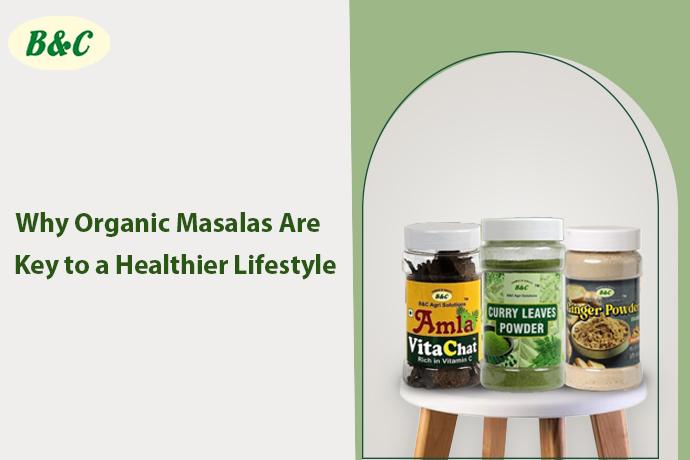
Why Organic Masalas Are Better for Sustainable Farming

India has always been known as the land of spices. From turmeric and cumin to coriander and red chilli, masalas are an essential part of every Indian kitchen. However, the growing awareness around food safety, chemical-free farming, and environmental sustainability has increased the demand for organic masalas across the country.

Consumers today are not only looking for taste and aroma but also for healthier and responsibly sourced ingredients. Organic spices are becoming a preferred choice because they support sustainable farming methods while offering cleaner and more natural food products.

What Makes Masalas Organic?

Organic masalas are produced using spices grown without synthetic pesticides, harmful chemicals, or artificial fertilisers. Farmers follow natural agricultural practices such as crop rotation, composting, and biological pest management to maintain soil fertility and plant health.

Unlike conventional farming methods that may rely heavily on chemical inputs, organic farming focuses on maintaining ecological balance and protecting the natural environment.

How Organic Masalas Support Sustainable Farming

1. Protect Soil Health Naturally

Healthy soil is the foundation of sustainable agriculture. Chemical-intensive farming can reduce soil fertility over time by affecting beneficial microorganisms and organic matter.

Organic farming methods use compost, natural manure, and bio-fertilisers that improve soil structure and microbial activity. This helps farmers maintain productive land for longer periods while reducing soil degradation.

For spice crops like turmeric, black pepper, and coriander, healthy soil directly improves flavour, aroma, and nutrient quality.

2. Reduces Chemical Pollution

Conventional farming often uses pesticides and chemical fertilisers that can enter nearby water bodies and harm surrounding ecosystems. Organic spice cultivation minimises chemical runoff and supports cleaner water systems.

This is especially important in India, where agriculture and water sustainability are closely connected.

By choosing organic masalas, consumers indirectly support environmentally responsible farming practices.

3. Encourages Biodiversity

Organic farms usually support greater biodiversity compared to chemical-based farming systems. Natural farming practices attract beneficial insects, earthworms, birds, and pollinators that contribute to healthier agricultural ecosystems.

Diverse farming systems are more resilient against pests, diseases, and climate-related stress.

4. Supports Farmer and Consumer Health

Farmers working with chemical pesticides may face health risks due to long-term exposure. Organic farming reduces this dependency and promotes safer agricultural practices.

For consumers, organic masalas offer cleaner ingredients without excessive chemical residues. Many families today prefer organic spices for daily cooking because they align with healthier lifestyle choices.

5. Improves Long-Term Agricultural Sustainability

Sustainable farming is not only about current crop production but also about protecting future agricultural resources. Organic spice farming helps preserve soil nutrients, reduces environmental stress, and supports more balanced farming systems.

As climate concerns and food quality awareness continue to grow, organic agriculture is becoming increasingly relevant in modern food production.

Rising Demand for Organic Masalas in India

Urban consumers are now paying more attention to ingredient quality, sourcing practices, and natural food products. Organic masalas are gaining popularity in households, restaurants, and wellness-focused kitchens because they combine authentic flavour with responsible farming practices.

Many Indian brands are now focusing on naturally sourced and minimally processed food products to meet this growing demand.

Vitachathttps://vitachat.in/ offers wellness and natural lifestyle products designed for health-conscious consumers. Their focus on quality and natural ingredients supports the growing movement towards sustainable and mindful living.

Organic masalas are more than just kitchen ingredients. They represent a healthier relationship between farming, food, and the environment. By choosing organic spices, consumers contribute towards cleaner agriculture, healthier soils, and a more sustainable future for Indian farming.

How Compost Improves Flower Plant Growth Naturally

Healthy flowering plants need more than just sunlight and water. Soil quality plays a major role in determining how well plants bloom, resist diseases, and maintain long-term growth. One of the most natural and effective ways to improve soil health is compost. Whether for home gardens, terrace pots, or landscape beds, compost works as an excellent organic flower fertilizer that supports sustainable plant growth.

Indian gardeners are increasingly moving towards natural gardening methods because chemical-heavy fertilizers may affect soil structure over time. Compost offers a balanced and eco-friendly solution by enriching the soil naturally while helping plants grow stronger and healthier.

Why Flowering Plants Need Proper Nutrition

Flowering plants require nutrients like nitrogen, phosphorus, and potassium for proper blooming. Nitrogen supports leaf growth, phosphorus helps root and flower development, and potassium improves overall plant strength.

The best fertilizer for flowers should ideally provide these nutrients steadily without damaging the soil ecosystem. Compost does exactly that by releasing nutrients slowly and naturally over time.

Unlike synthetic fertilizers that may provide quick but temporary results, compost improves the soil itself. It increases microbial activity, enhances moisture retention, and improves soil aeration, all of which directly support flower growth.

How Compost Benefits Flower Plants

1. Improves Soil Structure

One of the biggest advantages of compost is improved soil texture. Indian garden soils often become compact due to heat and irregular watering. Compost loosens the soil, allowing roots to spread more easily and absorb nutrients effectively.

Healthy roots lead to healthier flowers and better blooming cycles.

2. Provides Slow-Release Nutrients

Compost acts as a natural flower fertilizer by supplying nutrients gradually. This steady feeding pattern reduces nutrient shock and helps flowering plants maintain balanced growth throughout the season.

Plants like roses, hibiscus, marigolds, petunias, and jasmine respond especially well to compost-enriched soil.

3. Enhances Moisture Retention

In Indian summers, flowering plants can dry out quickly. Compost helps the soil retain moisture for longer periods, reducing water stress and preventing wilting.

This is particularly useful for terrace gardens and container plants exposed to direct sunlight.

4. Encourages Beneficial Microorganisms

Healthy soil contains microorganisms that break down organic matter and make nutrients available to plants. Compost naturally increases microbial activity, creating a better growing environment for flowers.

Experts often recommend organic flower fertilizer options because they support long-term soil fertility rather than short-term growth alone.

5. Reduces Dependency on Chemical Fertilizers

Excessive chemical fertilizer use can sometimes damage roots or lead to salt buildup in the soil. Compost provides a safer and more sustainable alternative for home gardeners.

Many experienced gardeners combine compost with the best fertilizer for flowers to create a balanced plant nutrition routine.

Best Ways to Use Compost for Flower Plants

  • Mix compost into potting soil before planting.
  • Add a thin top layer around flowering plants every few weeks.
  • Use compost tea as a mild liquid feed for blooming plants.
  • Combine compost with neem cake or cocopeat for better results.

For flowering plants in containers, regular compost application can significantly improve bloom quality and plant health.

Choosing the Right Organic Flower Fertilizer

Modern gardening is shifting towards eco-friendly and sustainable solutions. Organic flower fertilizer products made with compost-based nutrients are becoming increasingly popular among Indian gardeners because they improve both soil and plant health naturally.

Vitachat offers gardening and plant nutrition solutions designed to support healthier growth for home gardens and flowering plants. Their products are suitable for gardeners looking for natural and sustainable plant care options.

Healthy flowers begin with healthy soil. By adding compost regularly and choosing natural plant nutrition methods, gardeners can enjoy stronger plants, brighter blooms, and long-lasting garden beauty naturally.

7 Easy Breakfasts With Drumstick Leaf Powder

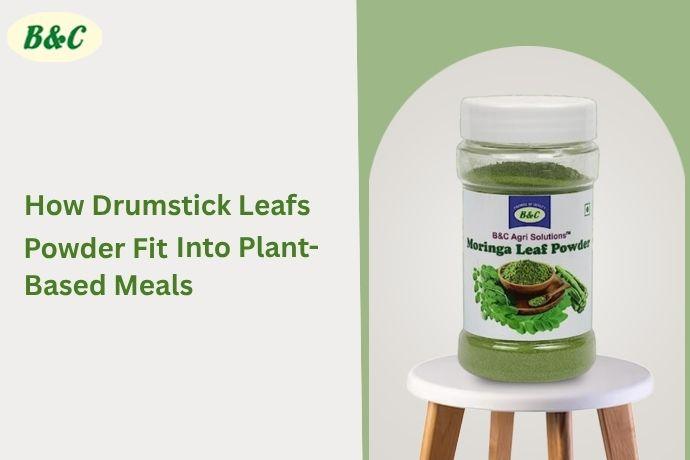
Healthy breakfasts are no longer limited to plain oats or simple fruit bowls. Today, more Indian households are adding superfoods to their morning meals for better nutrition and energy. One such superfood gaining popularity is drumstick leaf powder. Made from dried moringa leaves, this nutrient-rich ingredient is packed with iron, calcium, protein, antioxidants, and essential vitamins.

According to nutrition studies, moringa leaves contain significant amounts of Vitamin A, Vitamin C, potassium, and plant-based protein, making them an excellent addition to everyday diets. With the growing demand for natural wellness products, many people now prefer purchasing drumstick leaf powder online for convenience and consistent quality.

Here are seven easy and tasty breakfast ideas using drumstick leaf powder that fit perfectly into Indian food habits.

1. Moringa Idli Batter

One of the easiest ways to include drumstick leaf powder in breakfast is by mixing it into idli batter. Add one teaspoon to the fermented batter before steaming. It enhances the nutritional value without changing the texture significantly.

This works especially well for children who may not eat leafy vegetables regularly.

2. Drumstick Leaf Powder Dosa

A crispy dosa with added nutrition is perfect for busy mornings. Simply mix drumstick leaf powder into dosa batter along with jeera and finely chopped onions. Serve with coconut chutney for a balanced South Indian breakfast.

Many nutritionists recommend moringa-based foods for improving iron intake naturally.

3. Healthy Green Smoothie

For quick office mornings, a smoothie can be a lifesaver. Blend banana, spinach, curd, honey, and half a teaspoon of drumstick leaf powder for a nutrient-rich breakfast drink.

Moringa is often considered a natural energy booster due to its antioxidant profile and micronutrient content.

4. Moringa Poha

Poha remains one of India’s favourite breakfast options because it is light yet filling. Sprinkle drumstick leaf powder into cooked poha along with peanuts, curry leaves, and lemon juice.

This simple addition increases the meal’s nutritional value without changing the familiar taste too much.

5. Paratha With Moringa Mix

Whole wheat parathas can become healthier with drumstick leaf powder added to the dough. Combine it with ajwain, coriander, and a little curd for soft and flavourful breakfast parathas.

Serve with curd or pickle for a complete meal.

6. Egg Omelette With Drumstick Leaf Powder

Fitness enthusiasts can add drumstick leaf powder to omelettes or scrambled eggs. The earthy flavour blends well with onions, tomatoes, and green chillies.

Protein-rich breakfasts combined with moringa nutrients can support better energy levels throughout the day.

7. Overnight Oats With Moringa

Overnight oats are becoming popular among urban Indian consumers. Add a small amount of drumstick leaf powder to oats soaked with milk, chia seeds, fruits, and nuts.

This combination provides fibre, vitamins, and sustained morning energy.

Why Drumstick Leaf Powder Is Becoming Popular

Moringa-based products are increasingly used in Indian wellness routines because they offer a natural and convenient way to improve nutrition. Many people now search for drumstick leaf powder online to access premium-quality products that can be easily included in daily meals.

Vitachat offers health-focused wellness products designed for modern lifestyles. Their drumstick leaf powder is suitable for individuals looking to add plant-based nutrition to their everyday diet naturally.

Adding small amounts of drumstick leaf powder to breakfast recipes is an easy and practical way to improve nutritional intake without making major dietary changes. From traditional Indian breakfasts to modern smoothie bowls, this superfood fits seamlessly into multiple meal options.

Natural Nitrogen Sources for Healthier Lawns

A lush green lawn is more than just an attractive outdoor space. It reflects healthy soil, balanced nutrition, and proper lawn care practices. One of the most important nutrients required for healthy grass growth is nitrogen. It helps grass maintain its rich green colour, supports leaf growth, and improves overall lawn density. Choosing the right lawn fertilizer with natural nitrogen sources can make a noticeable difference in lawn health while keeping the soil ecosystem balanced.

Natural nitrogen-based fertilizers are becoming increasingly popular among Indian homeowners and gardeners because they offer slow and steady nourishment without harming the soil. Unlike harsh chemical fertilizers that may provide temporary greening, organic lawn fertilizer improves soil quality over time and reduces the chances of lawn burn. According to lawn care experts, slow-release nitrogen supports longer-lasting turf growth and healthier microbial activity in the soil.

Why Nitrogen Matters for Lawn Growth

Nitrogen is responsible for chlorophyll production, which gives grass its green appearance. It also encourages faster blade growth and helps lawns recover from wear and seasonal stress. Lawns lacking nitrogen often appear pale, patchy, or weak.

The best lawn fertilizer usually contains balanced nitrogen along with phosphorus and potassium. However, for long-term lawn health, organic nitrogen sources are often preferred because they feed both the grass and the soil microbes naturally.

Best Natural Nitrogen Sources for Lawns

1. Compost

Compost is one of the most effective and affordable natural fertilizers for lawns. It slowly releases nitrogen and improves soil structure. Kitchen waste compost, leaf compost, and garden compost all help increase microbial activity and moisture retention.

Indian gardeners often use homemade compost to maintain terrace lawns and garden patches naturally.

2. Vermicompost

Vermicompost contains earthworm castings rich in natural nitrogen and micronutrients. It enhances root development and improves soil aeration. Regular application can help lawns stay greener without excessive chemical inputs.

3. Cow Dung Manure

Traditional Indian gardening has relied on well-decomposed cow dung manure for decades. It acts as an excellent organic lawn fertilizer and improves soil fertility naturally. It should always be properly composted before application to avoid excess heat or odour.

4. Grass Clippings

Instead of throwing away lawn clippings, they can be left on the lawn after mowing. As the clippings decompose, they release nitrogen back into the soil naturally. Many lawn care communities recommend this as an easy way to improve lawn nutrition sustainably.

5. Seaweed and Plant-Based Fertilizers

Seaweed extracts and plant-based liquid fertilizers are increasingly used in modern lawn care. These products improve nutrient uptake and strengthen grass against stress conditions such as heat and drought.

Organic vs Chemical Lawn Fertilizer

Chemical fertilizers may deliver quicker visual results, but excessive use can weaken soil quality over time. Organic lawn fertilizer works slowly but improves soil biology and supports sustainable growth. Experts also note that organic fertilizers reduce the risk of nutrient runoff and lawn burn.

For Indian climates, especially during hot summers, slow-release organic nutrition is often safer and more effective for maintaining healthy turf.

Choosing the Best Organic Lawn Fertilizer

The best organic lawn fertilizer is one that matches your soil condition and lawn type. Look for products containing natural nitrogen sources, balanced NPK ratios, and soil-friendly ingredients. Liquid organic fertilizers are also becoming popular for small lawns and terrace gardens because they are easy to apply evenly.

Vitachat offers lawn care and gardening solutions designed for healthier plant growth and sustainable gardening practices. Their lawn nutrition products are suitable for homeowners looking to maintain greener and healthier lawns naturally.

A healthy lawn starts from healthy soil. By choosing natural nitrogen sources and organic lawn fertilizer options, you can build a greener, stronger, and more sustainable lawn for the long term.

How Micro Nutrients Improve Flower Growth

When it comes to growing vibrant, healthy flowers, most gardeners focus on sunlight and watering. But as highlighted by Vitachat, the real secret lies in balanced plant nutrition, especially the role of micronutrients. These are essential elements required in small amounts—but their impact on flowering is huge.

Let’s understand how micronutrients help improve flower growth and why they are crucial for your garden.

What Are Micronutrients?

Micronutrients are trace elements like:

  • Iron (Fe)
  • Zinc (Zn)
  • Boron (B)
  • Manganese (Mn)
  • Copper (Cu)

Though needed in small quantities, they play a key role in plant metabolism, enzyme activity, and overall development. Even a slight deficiency can affect flowering and plant health.

1. Boost Flower Formation and Bud Development

One of the most important roles of micronutrients is supporting bud initiation and flower formation.

According to Vitachat, micronutrient-rich fertilizers help:

  • Stimulate bud formation
  • Encourage healthy flower development
  • Extend blooming duration

Key nutrient:

  • Boronplays a major role in pollen formation and flower development

Without proper micronutrients, plants may produce fewer buds or drop flowers early.

2. Enhance Flower Color and Vibrancy

Micronutrients directly influence the color intensity and visual appeal of flowers.

Vitachat notes that a balanced mix of micronutrients enhances:

  • Colour richness
  • Bloom quality
  • Overall plant health

How it works:

  • Iron and magnesium help in chlorophyll production
  • Better chlorophyll = healthier leaves = brighter flowers

This is why micronutrient-fed plants often have more vibrant blooms.

3. Improve Nutrient Absorption

Micronutrients help plants use other nutrients more effectively.

They:

  • Activate enzymes
  • Improve nutrient uptake
  • Balance plant metabolism

As per Vitachat, micronutrients help plants absorb nutrients more efficiently, leading to better growth and flowering

This means even if your soil has nutrients, plants may not benefit without micronutrients.

4. Strengthen Root Development

Healthy roots are the foundation of good flowering.

Micronutrients like zinc and boron:

  • Promote root growth
  • Improve water and nutrient absorption

Strong roots help plants:

  • Support more flowers
  • Sustain longer blooming cycles

Vitachat also highlights that nutrient-rich fertilizers support root development for stronger, healthier plants

5. Increase Flower Quantity and Longevity

Micronutrients help plants produce:

  • More flowers
  • Larger blooms
  • Longer-lasting blossoms

Balanced fertilization ensures plants don’t just bloom—but bloom consistently and abundantly.

In urban gardening setups (like balconies or pots), Vitachat notes that proper nutrient supply leads to vibrant and abundant blossoms even in limited soil conditions

6. Improve Resistance to Stress and Diseases

Flowering plants are sensitive to:

  • Weather changes
  • Pests
  • Soil deficiencies

Micronutrients strengthen plant immunity and resilience.

This results in:

  • Less flower drop
  • Better survival of buds
  • Healthier flowering cycles

7. Prevent Common Flowering Problems

Micronutrient deficiencies can cause:

  • Poor bud formation
  • Yellowing leaves
  • Flower drop
  • Small or dull blooms

Providing a balanced mix helps avoid these issues and ensures smooth flowering.

Indian Home Gardening Tip

For home gardeners in India:

  • Use micronutrient liquid fertilizersfor quick absorption
  • Add compost or vermicompostto improve soil health
  • Apply nutrients during the pre-flowering stagefor best results
  • Use foliar sprays (spraying on leaves) for faster impact

These simple practices work well for terrace gardens, balcony plants, and small home gardens.

Is Ginger Powder Safe for Daily Consumption?

Ginger powder (also known as saunth in Indian kitchens) has been used for centuries in both cooking and traditional remedies. According to Vitachat, ginger powder is made by drying and grinding ginger root, which helps preserve its nutrients and makes it easy to use daily in foods and drinks.

But the key question remains: Is it safe to consume every day?
The short answer is yes ,when taken in moderation. Let’s understand why.

Health Benefits of Daily Ginger Powder Intake

Ginger powder contains gingerol, a powerful bioactive compound known for its anti-inflammatory and antioxidant effects.

1. Supports Digestion

Ginger is widely used to relieve:

  • Bloating
  • Indigestion
  • Gas

It helps food move smoothly through the digestive system and improves gut health.

Indian example:
A pinch of ginger powder in warm water after meals is a common home remedy for digestion.

2. Boosts Immunity

Vitachat highlights that ginger powder contains essential nutrients and antioxidants that help strengthen immunity and fight common infections.

Home use:
Adding ginger powder to kadha or herbal tea during winters is a typical Indian practice.

3. Reduces Inflammation & Pain

Regular consumption may help reduce inflammation, making it useful for:

  • Joint pain
  • Muscle soreness
  • Menstrual discomfort

Studies show ginger compounds can lower inflammatory markers in the body.

4. Helps with Nausea

Ginger is a well-known natural remedy for nausea, including motion sickness and morning sickness.

Recommended Daily Intake

Moderation is key.

  • Around 1 teaspoon (approx. 1–3 grams) per dayis generally considered safe and beneficial.
  • Smaller doses spread throughout the day work better than consuming large amounts at once.

Possible Side Effects (If Overconsumed)

While ginger powder is safe for most people, excessive intake can cause:

  • Heartburn
  • Stomach irritation
  • Gas or bloating
  • Increased risk of bleeding (especially if on blood thinners)

High doses (above 4 grams daily) are not recommended.

Who Should Be Careful?

Certain people should consult a doctor before daily use:

  • Pregnant women
  • People with gallbladder issues
  • Those on blood-thinning medication

Even though ginger is natural, it still has strong active compounds.

Best Ways to Consume Daily (Indian Style)

You don’t need fancy recipes simple home methods work best:

  • Add a pinch tochai
  • Mix withwarm water and honey in the morning
  • Sprinkle in dal, sabzi, or soups
  • Use in kadhaduring seasonal changes

These traditional uses align with Vitachat’s focus on natural, everyday nutrition.

Yes, ginger powder is safe for daily consumption as long as you keep the quantity moderate. Its benefits for digestion, immunity, and inflammation make it a valuable addition to your daily diet.

The key is balance:
Use small amounts regularly, not large amounts occasionally.

Best Lawn Fertilizer for New Grass Seed (Complete Guide)

Growing a lush, green lawn starts right from the seeding stage—and choosing the right fertilizer makes a huge difference. As highlighted by Vitachat, healthy plant growth depends on balanced nutrition and proper soil care, especially in the early stages when roots are forming.

Here’s a simple, practical guide to choosing the best lawn fertilizer for new grass seed and using it effectively.

Why New Grass Needs Special Fertilizer

New grass seedlings are delicate. They don’t just need growth they need strong root development first.

Experts agree that soil alone often lacks enough nutrients, and fertilizing helps seeds establish deeper, healthier roots.

Without the right fertilizer:

  • Roots stay shallow
  • Grass becomes weak and patchy
  • Lawn becomes prone to weeds and diseases

Best Type: Starter Fertilizer

The best fertilizer for new grass seed is a starter fertilizer.

Why it works:

  • Contains higher phosphorus (P) for root growth
  • Provides moderate nitrogen (N) for leaf development
  • Includes potassium (K) for overall strength

Starter fertilizers are specially designed to help seedlings establish quickly and evenly.

Understanding NPK Ratio (Simple Explanation)

Every fertilizer comes with an NPK ratio like 18-24-12.

  • N (Nitrogen):Helps grass grow green blades
  • P (Phosphorus):Builds strong roots (most important for new grass)
  • K (Potassium):Improves resistance to stress and disease

For new lawns, fertilizers with higher phosphorus are ideal, such as:

  • 12-25-6
  • 18-24-12

These ratios support early root establishment effectively.

Organic vs Chemical Fertilizers

1. Chemical (Synthetic) Starter Fertilizer

  • Quick results
  • Easy to apply
  • Best for fast lawn establishment

2. Organic Fertilizer

  • Slow-release nutrients
  • Improves soil health over time
  • Safer for long-term use

Vitachat insight: Natural, plant-based nutrients often help maintain soil quality while supporting gradual growth—making organic options a good sustainable choice.

When to Apply Fertilizer

Timing matters just as much as the type.

Best practice:

  • Applyjust before or at the time of seeding
  • Lightly water after application

This ensures nutrients reach the root zone quickly and support germination.

How to Apply (Easy Steps)

  1. Prepare soil (loosen and level)
  2. Spread seeds evenly
  3. Apply starter fertilizer
  4. Water lightly (not heavily)

Pro tip:
Use a spreader for even distribution to avoid patchy growth.

Common Mistakes to Avoid

1. Using Regular Lawn Fertilizer

Regular fertilizers have more nitrogen and less phosphorus ,bad for seedlings.

2. Over-fertilizing

Too much fertilizer can burn young grass.

3. Using “Weed & Feed”

These contain herbicides that can stop seeds from growing.

4. Skipping Watering

Fertilizer must be watered in to activate nutrients.

Indian Home-Style Lawn Care Tips

Even in Indian households with small lawns or terrace gardens, these simple practices work well:

  • Mix vermicompost or cow dung manurewith soil before seeding
  • Add a pinch of wood ash(natural potassium source)
  • Use diluted buttermilk or compost teafor mild nutrient boost
  • Avoid harsh chemicals during early growth

These traditional methods support soil health naturally ,aligning with Vitachat’s focus on balanced, nutrient-rich growth.

The best fertilizer for new grass seed is one that focuses on root development first, not just green growth. A good starter fertilizer with higher phosphorus ensures your lawn grows thick, strong, and long-lasting.

Combine that with proper watering and a few natural Indian gardening practices, and you’ll set the foundation for a healthy, vibrant lawn.


Drumstick Leaf Powder Storage Tips for Freshness (Keep It Potent & Long-Lasting)

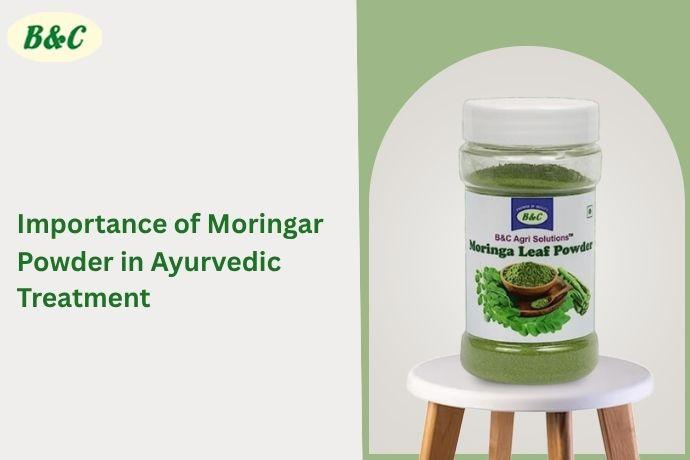
Drumstick leaf powder, also known as moringa powder, is a powerful superfood packed with vitamins, minerals, and antioxidants. According to Vitachat, it is made by drying and grinding nutrient-rich moringa leaves, which helps preserve its health benefits for year-round use.

However, this same nutrient density also makes it sensitive to air, moisture, and heat. If not stored properly, the powder can lose its freshness, colour, and nutritional value. Here’s a practical guide—with Indian home-style tips to help you store it the right way.

Why Proper Storage Matters

Drumstick leaf powder contains delicate nutrients like vitamin C and antioxidants. Exposure to light, air, heat, and moisture can cause oxidation and nutrient loss, reducing its effectiveness.

Good storage ensures:

  • Longer shelf life
  • Better taste and aroma
  • Retention of nutrients

1. Always Use an Airtight Container

This is the most important rule.

Why it works:
Air exposure leads to oxidation and can cause the powder to clump.

Best options:

  • Glass jars with tight lids
  • Steel containers with rubber seals
  • Food-grade airtight plastic jars

Indian home example:
Just like storing haldi or jeera powder in masala dabbas, keep moringa powder tightly sealed after every use.

2. Keep It Away from Moisture

Moisture is the biggest enemy of powdered foods.

What to do:

  • Always use a dry spoon
  • Avoid storing near the stove or sink
  • Never open the jar with wet hands

Why it matters:
Moisture can cause fungal growth and spoil the powder quickly.

Homely trick:
Many Indian households add a small piece of dry cloth or food-safe silica pouch inside spice containers to absorb moisture this works well here too.

3. Store in a Cool, Dark Place

Heat and sunlight degrade nutrients rapidly.

Ideal storage spots:

  • Kitchen cabinets away from heat
  • Pantry shelves
  • Refrigerators (optional for humid regions)

Why it works:
UV light and heat break down antioxidants and reduce potency.

Indian tip:
Just like pickles (achar) are kept away from direct sunlight after preparation, treat moringa powder the same way.

4. Avoid Frequent Exposure to Air

Opening the container repeatedly introduces air and humidity.

Simple fix:

  • Store in small batches
  • Keep a daily-use container separate

Example:
Transfer a small portion into a tiny jar for daily use, while keeping the main stock sealed similar to how Indian kitchens manage tea powder or coffee.

5. Use Clean, Dry Spoons Only

Cross-contamination can spoil the powder faster.

Do this:

  • Use a dedicated spoon
  • Avoid dipping used or wet spoons

Why:
Even a little moisture or food residue can affect freshness.

6. Refrigeration for Long-Term Storage

If you live in a humid region (like coastal or eastern India), refrigeration helps.

Benefits:

  • Slows down oxidation
  • Prevents moisture buildup

Tip:
Store in an airtight container before refrigerating to avoid condensation.

7. Check for Signs of Spoilage

Even with good storage, always inspect before use.

Watch out for:

  • Change in colour (faded green)
  • Musty smell
  • Clumping or stickiness

Fresh drumstick powder should have a vibrant green colour and earthy aroma, indicating retained nutrients.

8. Buy Quality, Well-Packaged Products

Vitachat highlights that properly processed and packaged moringa powder retains maximum nutrients and freshness.

Look for:

  • Airtight packaging
  • No additives
  • Proper sealing

Storing drumstick leaf powder correctly is simple but crucial. A combination of airtight storage, moisture control, and protection from heat and light can keep your powder fresh for months.

With these easy Indian home-style practices like using dry spoons, storing in masala containers, and keeping it away from humidity you can ensure your moringa powder stays as nutritious as the day you bought it.

How to Reduce Bitterness in Amla Chat (Easy & Effective Tips)

Amla chat is loved for its tangy, spicy punch—but let’s be honest, the natural bitterness of amla can sometimes overpower the taste. The good news? With a few simple kitchen tricks, you can balance that bitterness and enjoy a perfectly chatpata snack.

Inspired by insights from Vitachat and traditional home practices, here’s how you can make your amla chat more flavourful and less bitter.

Why Is Amla Bitter?

Amla (Indian gooseberry) naturally contains tannins and strong antioxidants, which give it a slightly bitter and astringent taste. However, when combined with the right spices and ingredients, this bitterness can be balanced beautifully. In fact, amla chat is designed to create a khatta-meetha-spicy experience using spices like cumin, black pepper, and chaat masala.

1. Add Natural Sweetness

One of the easiest ways to cut bitterness is by adding a touch of sweetness.

What to use:

  • Jaggery (gur)
  • Honey
  • Date paste

Why it works:
Sweetness balances the sour and bitter notes, giving your amla chat a more rounded taste.

Pro tip: Mix powdered jaggery with warm amla pieces for better absorption.

2. Use the Right Spice Mix

Amla chat isn’t just about amla—it’s about the spices.

Best spices to add:

  • Roasted cumin powder
  • Black salt
  • Chaat masala
  • Red chilli powder

These spices not only enhance flavour but also support digestion.

Homely trick: Dry roast cumin and grind it fresh—it instantly improves taste and reduces bitterness.

3. Salt Treatment (Pre-Soaking Method)

This is a classic kitchen hack.

Steps:

  1. Cut amla into small pieces
  2. Soak in salt water for 20–30 minutes
  3. Rinse lightly before using

Why it works:
Salt helps draw out bitterness and softens the astringent taste.

4. Sun-Dry or Lightly Dry the Amla

Drying changes the flavour profile significantly.

According to Vitachat, sun-dried amla is commonly used in chat to create a balanced sweet-sour taste.

How to do it at home:

  • Sun-dry amla pieces for 1–2 days
  • Or lightly sauté them on low heat

This reduces raw bitterness and enhances chewiness.

5. Add a Dash of Lemon or Amchur

It may sound surprising, but adding more tang can actually reduce bitterness.

Why?
Sourness distracts the palate from bitter notes.

Options:

  • Lemon juice
  • Dry mango powder (amchur)

This gives your amla chat a sharper, street-style flavour.

6. Mix with Other Ingredients

Balance is key.

Try combining amla with:

  • Roasted peanuts
  • Boiled potatoes
  • Chopped onions
  • Coriander leaves

These ingredients dilute the bitterness and add texture.

7. Use Oil Tempering (Tadka Trick)

A light tadka can transform the taste.

How:

  • Heat a little mustard oil
  • Add mustard seeds + curry leaves
  • Toss amla in it

This adds warmth and reduces harsh flavours.

8. Let It Rest Before Eating

After mixing all ingredients, let the amla chat sit for 10–15 minutes.

Why it works:
Flavours blend better, and bitterness becomes less noticeable.

Amla chat is meant to be a balance of bold flavours ,not just sour or bitter. With the right mix of sweetness, spices, and simple prep techniques, you can turn even the most bitter amla into a delicious, addictive snack.

Plus, beyond taste, amla is packed with vitamin C and antioxidants, making it a smart, healthy choice for daily snacking.

So next time your amla chat tastes too bitter, don’t discard it -just tweak it!

Best Granular Fertilizer for Growing Healthy Roses

Roses are among the most loved garden plants, admired for their beauty, fragrance, and elegance. However, to produce vibrant blooms and strong stems, roses require proper nutrition. One of the most effective ways to supply nutrients consistently is by using granular fertilizer. Unlike liquid fertilizers that provide quick but short-term feeding, granular fertilizers release nutrients gradually, supporting steady plant growth.

If you want healthier plants, larger flowers, and longer blooming cycles, choosing the right granular fertilizer is essential.

Why Roses Need Granular Fertilizer

Roses are considered heavy feeders. They require a steady supply of nutrients throughout their growing season to maintain lush foliage and produce abundant flowers.

Granular fertilizers are especially beneficial because they release nutrients slowly into the soil. This slow-release mechanism ensures that the roots absorb nutrients over time rather than receiving a sudden surge. It also reduces the risk of over-fertilizing, which can damage the plant.

Additionally, granular fertilizers improve soil fertility over time, supporting healthier root development and stronger plants.

Key Nutrients Roses Require

When selecting a granular fertilizer for roses, it is important to look for a balanced nutrient composition. The three primary nutrients listed on fertilizer packages are nitrogen (N), phosphorus (P), and potassium (K).

Nitrogen promotes healthy green foliage and strong stem growth.
Phosphorus encourages root development and helps produce bigger, more vibrant flowers.
Potassium strengthens plant immunity and improves overall plant health.

Many rose fertilizers also include secondary nutrients such as magnesium, calcium, and iron, which support leaf color and overall plant vitality.

Best Types of Granular Fertilizers for Roses

Several types of granular fertilizers work well for rose plants, depending on your gardening preference and soil condition.

Balanced NPK Fertilizer: A balanced formula such as 10-10-10 or 12-12-12 is suitable for general rose care. It provides equal amounts of the three essential nutrients and supports consistent growth.

Organic Granular Fertilizer: Organic options made from composted manure, bone meal, or plant-based ingredients provide slow, natural nutrition while improving soil quality. They also support beneficial soil microorganisms.

Specialized Rose Fertilizer: Some granular fertilizers are formulated specifically for roses. These blends often include micronutrients and organic additives that enhance flowering and overall plant health.

How to Apply Granular Fertilizer to Roses

Proper application ensures that roses receive the full benefits of the fertilizer.

Start by watering the soil lightly before applying the fertilizer. Sprinkle the recommended amount around the base of the plant, keeping it a few inches away from the stem. Lightly mix the fertilizer into the top layer of soil and water the area thoroughly afterward.

Fertilizing roses every four to six weeks during the growing season usually provides optimal results. However, it is best to avoid fertilizing during extreme heat or when the plant is dormant.

Additional Tips for Healthy Roses

Fertilizer works best when combined with good gardening practices. Ensure that your roses receive at least six hours of sunlight each day and are planted in well-draining soil. Regular pruning, mulching, and watering also play a significant role in maintaining plant health.

Mulch helps retain soil moisture and slowly adds nutrients as it decomposes, which further supports rose growth.

Granular fertilizer is an excellent choice for gardeners who want to grow strong, healthy roses with abundant blooms. By choosing a balanced or organic fertilizer and applying it properly, you can provide roses with the nutrients they need throughout the growing season. With the right care and feeding routine, your rose garden can flourish with vibrant flowers and healthy foliage year after year.


vitachatorganic

0
    0
    Your Cart
    Your cart is emptyReturn to Shop