FREE Express Shipping On Orders Rs.999

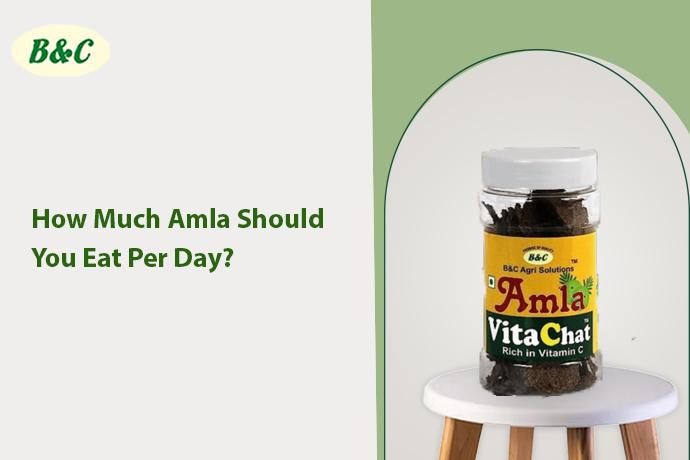
How Much Amla Should You Eat Per Day?

Amla — or Indian gooseberry — is one of India’s most cherished superfoods, rich in vitamin C, antioxidants, and fibre. Although there’s no medically fixed “dose” set by global guidelines, health experts and nutrition sources generally agree on sensible daily serving sizes.
Typical Daily Consumption
Here are common recommendations you’ll often see:
  • Fresh Amla Fruit: 1–2 small fruits a day is considered ideal for most adults.
  • Amla Juice: Around 20–50 ml (about 1–2 tablespoons), either fresh or diluted with water, usually in the morning.
  • Amla Powder: Around ½–1 teaspoon per day, mixed into water, smoothies or curd.
Traditional Indian Ayurvedic guidance often suggests that eating 1 fresh amla daily is a simple, effective wellness habit — popularly touted for immunity and digestive benefits.
Amla counts toward your daily fruit intake, and because it’s so nutrient-dense, even a small amount goes a long way.
When Is the Best Time to Eat Amla?
Timing can influence how well your body absorbs the nutrients and how you experience benefits:
  1. Morning on an Empty Stomach Many nutritionists and Ayurvedic practitioners recommend eating or drinking amla first thing in the morning. This may help improve digestion early in the day. A popular Indian practice is to chew raw amla with a pinch of salt, which some suggest maximizes its digestive and immune benefits.
  2. Before Meals If raw amla’s sour taste is overwhelming, try having juice 20–30 minutes before lunch or dinner. This can help stimulate digestive enzymes and may aid in better food breakdown.
  3. Spread Across the Day Some prefer dividing intake: a little in the morning and a small amount in the late afternoon or early evening, especially if you’re using amla powder or juice.
Why This Routine Works
Indian health wisdom and modern nutrition intersect nicely when it comes to amla:
Vitamin C Powerhouse A single amla can contain very high levels of vitamin C — in some cases equal to about 10 oranges worth of this nutrient. This supports immunity, skin health and antioxidant defence.
Digestion & Metabolism Fiber and natural acids in amla help digestion, reduce acidity and may gently improve metabolic balance when included in your regular diet.
Heart & Blood Sugar Regular, moderate amla intake is associated with improved cholesterol and blood sugar management — particularly when consumed consistently.
Ayurvedic Perspective In Ayurveda, amla is considered a Rasayana — a rejuvenating food that balances all three doshas (Vata, Pitta, Kapha). This supports overall well-being rather than just one specific benefit.
Side Effects & Precautions
Amla is generally safe, but moderation is key:
  • Too much (especially in juice or supplement form) may cause acidity, bloating, or digestive discomfort.
  • People on blood thinners or those with low blood pressure should consult a clinician before making amla a daily ritual.
Fun Ways to Include Amla
If raw amla’s tartness is hard to handle, Indians have many tasty options:
These make it easier to enjoy amla while gaining its health benefits.
Conclusion
In most Indian diets, 1–2 small amlas a day — or their equivalent in juice or powder — is considered beneficial without being excessive. Eating it in the morning or before meals can help your digestion, immunity, and overall wellness. As always, listen to your body, tailor intake to your taste and tolerance, and consult a health professional for personalised advice.

Is It Okay to Use the Same Fertilizer for Vegetable and Flower Plants?

Whether you’re growing juicy tomatoes on a balcony in Kolkata or bright marigolds in your Delhi terrace garden, one common question many Indian gardeners ask is: Can I use the same fertilizer for both vegetables and flowers?
The short answer: Sometimes yes, but with important conditions. Knowing what your plants need, and matching fertilizer types accordingly, makes a big difference in plant health, yield, and bloom quality.
Plants Have Different Needs
Vegetables and flowers both need nutrients to grow, but their exact requirements are often different:
Vegetables Vegetable plants like brinjal, spinach, bean, and ladyfinger need strong root and leaf development so they can produce large edible parts — leaves, fruits, or pods. This means they generally benefit from fertilizers higher in nitrogen (N) because nitrogen promotes leafy growth and overall plant vigor.
Flowering Plants Flowers such as marigold, hibiscus, or rose need more stimulation for buds and blooms rather than lush green foliage. These plants often benefit from fertilizers with higher phosphorus (P) — the nutrient that supports flower formation — and potassium (K), which helps plants resist disease and stress.
So while vegetables lean toward nitrogen, flowering plants often need a stronger phosphorus balance.
Understanding Fertilizer Numbers
Fertilizer labels such as 12-32-16 or 20-20-20 indicate the ratio of Nitrogen-Phosphorus-Potassium (N-P-K).
  • High N (e.g., 20-10-10): Good for leafy vegetables like spinach or coriander.
  • Balanced (e.g., 10-10-10 or 20-20-20): Good as all-purpose starter fertilizer.
  • Higher P (e.g., 10-30-20): Better for flowering plants.
Using a fertilizer with the same numbers for flowers and vegetables may work if it’s balanced (like 10-10-10), but specialized ratios tend to give better results for each plant type.
Can You Use One Fertilizer for Both?
Yes — but it depends on:
Type of Fertilizer
  • All-purpose/General fertilizers (e.g., 10-10-10, 14-14-14) can safely be used for both vegetables and flowers. These are widely available in India and are a good choice for mixed garden beds.
  • Organic options like farmyard manure, vermicompost, neem cake, or bone meal work well across plant types and improve soil health over time. Indians have long used these natural fertilizers in terrace gardens and fields alike.
Specialized Fertilizers for Specific Needs
  • A fertilizer high in nitrogen might make flowers leafy with less blooming.
  • A fertilizer geared toward blooms might not produce big, leafy vegetables.
So while you can use one fertilizer type, optimizing nutrition based on plant needs yields better outcomes.
Tips for Indian Gardeners
  • Use Balanced Fertilizer for Mixed Gardens If you’ve potted tomatoes next to petunias on your Mumbai balcony, a balanced fertilizer like 15-15-15 is a good neutral choice.
  • Organic Practices Many Indian households prefer organic fertilizers — vermicompost, kakad shakti, or cow dung manure — to reduce chemical exposure on edible plants and enrich soil micro-life.
  • Supplement with Compost Tea This homemade liquid, often featured on gardening blogs like VitaChat, gives plants a gentle nutritional boost without risking over-fertilization.
Conclusion
Yes, you can use the same fertilizer for vegetables and flowers if it’s a balanced, general-purpose type. But specialized fertilizers tailored for vegetables (higher nitrogen) or flowers (higher phosphorus) often offer better growth and results.
For home gardeners in India who grow both together, starting with balanced fertilizer and using organic inputs regularly is a smart, low-risk approach, especially for terrace gardens in cities like Bangalore, Mumbai, or Patna.

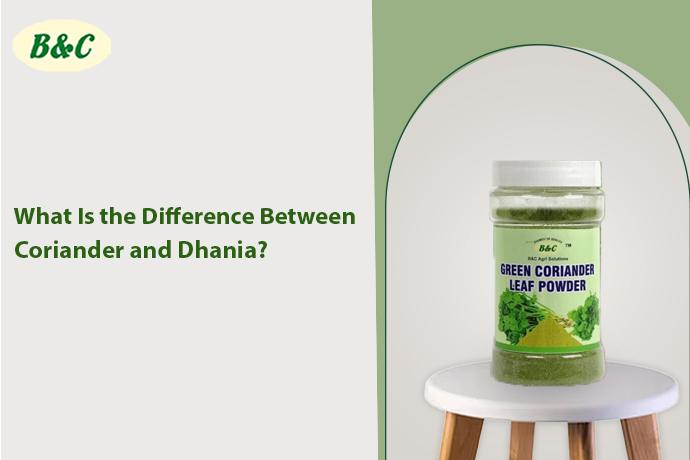
What Is the Difference Between Coriander and Dhania?

If you love Indian food, you’ve probably heard dhania mentioned in recipes, markets, and gardens. But what exactly is the difference between coriander and dhania?
Spoiler: They are the same plant — Coriandrum sativum — but the words “coriander” and “dhania” are used differently depending on what part of the plant we are talking about and where you are. Let’s explore this in a clear Indian context with examples and usage.
1. Coriander vs. Dhania — Language and Usage
Dhania
  • Dhania is the Hindi word commonly used in India.
  • You’ll hear this name in markets across Delhi, Kolkata, Chennai, Ahmedabad — essentially all over India.
  • Every Indian cook knows dhania as both a leaf and seed ingredient in everyday cooking.
  • Coriander is the English botanical name.
  • In Western kitchens, “coriander” often refers to the seeds, and “cilantro” refers to the fresh leaves.
  • In India, the word coriander may be used in English-mixed conversations, for example: “Add coriander seeds to the tempering.”
So, in an Indian kitchen, saying dhania and coriander generally refers to the same plant — it’s mostly about language and tradition.
2. The Parts — Leaves vs. Seeds
Although they come from the same plant, the leaves and seeds are used very differently in Indian cuisine.
Fresh Leaves (Dhania Leaves / Coriander Leaves)
  • Known simply as dhania in Hindi and other Indian languages.
  • Widely used as a garnish or flavor base in almost all Indian dishes: dal, sabzi, biryani, chutney, raita, chaat, and more.
Example:
  1. Dhania chutney — a popular Indian accompaniment made with fresh leaves, green chilli, lemon, and spices.
  2. The leaves have a fresh, citrusy, slightly spicy aroma and are added at the end of cooking or fresh on the plate.
Seeds (Dhania Seeds / Coriander Seeds)
  • Called dhania ke beej in Hindi.
  • Used whole or ground into dhaniya powder — an essential spice in Indian kitchens.
  • The seeds have a warm, nutty, citrus flavor.
Example: Dhaniya powder is a foundational spice in Punjabi curries and South Indian sambar.
3. Coriander in Indian Cooking
Coriander — whether in leaf or seed form — is one of the most versatile plants in Indian cuisine.
Fresh Dhania Leaves
  • Used in chutneys, salads, raita, and as garnish.
  • Often tossed into hot dals or curries at the last minute to retain aroma.
Coriander Seeds
  • Used in tempering (tadka) or dry roasted to make spice mixes like garam masala.
  • Ground seeds add warmth and are less sharp than fresh leaves.
4. Nutritional and Health Notes
Coriander/dhania isn’t just a flavor booster, it also has health benefits:
  • Rich in vitamins A, C, and K.
  • Contains antioxidants and aids digestion.
  • Traditional Indian remedies often recommend dhania water (soaked seeds) to support gut health.
So whether you grow dhania in your terrace garden in Mumbai or buy coriander leaves in a Pune market, you’re enjoying both taste and health benefits.
5. To Conclude:
Dhania and coriander are names for the same plant — just in different languages.
  • Dhania is the everyday Indian name you’ll hear in kitchens and markets.
  • Coriander is the botanical/English term.
What changes is how we use the plant:
  • Leaves — fresh, bright, used for flavor and garnish.
  • Seeds — warm and aromatic, used as a spice.
In Indian food culture, both forms are essential, from dhania chutney in North India to spicy sambars in the South, coriander/dhania enriches our food, health, and culinary heritage.

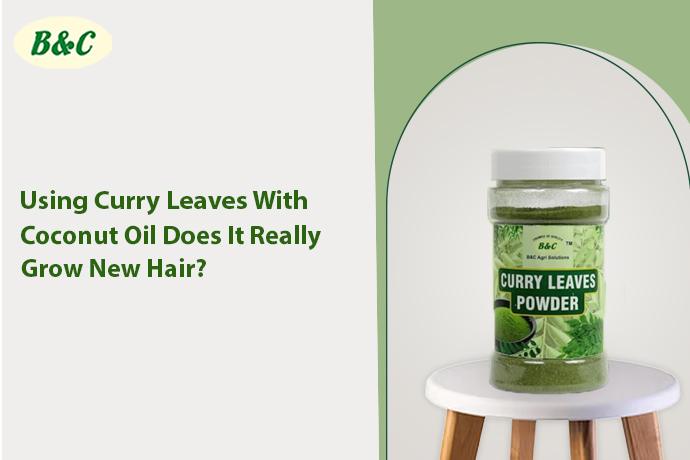
Using Curry Leaves With Coconut Oil — Does It Really Grow New Hair?

For many Indians, curry leaves (kadipatta / kari patta) aren’t just a kitchen staple — they’re also a traditional hair-care secret. A popular home remedy is to infuse fresh curry leaves in coconut oil and use it on the scalp, with the belief that this concoction stimulates hair growth, reduces hair fall, and makes hair stronger and healthier. But does it really work? Let’s explore what science, tradition, and everyday experience say.
The Ayurvedic Tradition Behind the Remedy
In Indian households — from Kerala to West Bengal — people have long boiled curry leaves in oil like coconut or mustard oil to create hair tonics. This formula has been passed down through generations because:
  • Curry leaves are believed to be rich in vitamins, antioxidants, and minerals that nourish the hair and scalp.
  • Coconut oil is prized for its ability to penetrate hair shafts, moisturise deeply, and protect against damage.
According to lifestyle sources like The Times of India, this mix is thought to stimulate hair follicles, reduce breakage, and improve scalp health, all of which are linked to healthier hair and less fall.
What Science Actually Says
Things get a bit more nuanced when we look at scientific evidence:
  • Curry leaves contain nutrients like vitamin B, beta-carotene, iron, and antioxidants, all beneficial for general scalp health and possibly reducing oxidative stress.
  • Coconut oil has been shown to protect hair protein and reduce dryness and brittleness, which indirectly supports stronger hair.
  • BUT, there is no strong clinical evidence proving that curry leaves directly cause new hair growth or can reverse male or female pattern baldness. Research (e.g., cosmetic science reviews) suggests that while nutrients and oil can improve scalp condition and hair appearance, they don’t necessarily generate new hair on their own.
In other words, while many traditional claims about antioxidant-rich plants are plausible, scientific proof for significant hair regrowth is limited or inconclusive.
So What Benefits Can You Expect?
Even if new hair growth isn’t guaranteed, using curry leaf-infused coconut oil may still help your hair in several ways:
Stronger Hair and Less Breakage
The vitamins and nutrients in curry leaves can help nourish follicles and coconut oil helps strengthen the hair shaft — reducing breakage and frizz.
Improved Scalp Health
Both curry leaves and coconut oil have antioxidant and antimicrobial properties, which may help soothe an itchy scalp and reduce dandruff — creating a healthier environment for hair to grow.
Better Hair Texture and Shine
Regular oiling improves moisture balance and makes hair look shinier and softer, which many Indian grandmothers swear by.
How to Use It (Indian-Style)
A common method used in Indian homes:
  • Wash fresh curry leaves and pat them dry.
  • Heat coconut oil — enough to warm but not smoke.
  • Add the curry leaves and let them sizzle gently until they turn crisp.
  • Let the oil cool, strain it, and store in a glass bottle.
  • Massage this oil into your scalp 2–3 times a week before shampooing.
Over weeks, this regimen may help reduce hair fall, improve scalp nourishment, and maintain better overall hair health.
Conclusion
The combo of curry leaves and coconut oil is more than just an old Indian beauty hack — it can genuinely support healthier hair and scalp thanks to its nutrient-rich and nourishing properties. However, there’s no strong clinical evidence that it alone can grow new hair, especially in cases of genetic hair loss.
So if your goal is thicker, shinier, and less brittle hair, this natural remedy can be a gentle and affordable addition to your routine. But if you’re facing serious hair thinning or baldness, it’s wise to consult a dermatologist for targeted treatment options.

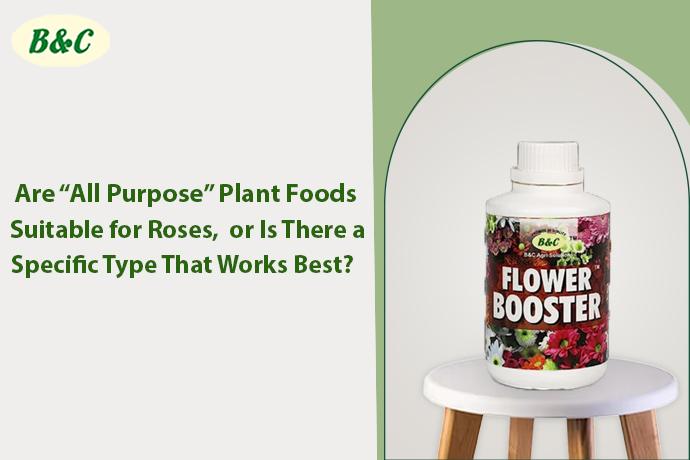
Are “All Purpose” Plant Foods Suitable for Roses, or Is There a Specific Type That Works Best?

Roses are one of the most loved ornamental plants in India — from terrace gardens in Pune to backyard beds in Jaipur and courtyard blooms in Kolkata. Whether you’re nurturing hybrid teas, floribundas, or classic red roses, one question many gardeners ask is: Can I just use “all purpose” plant food, or do roses need special nutrition?
The answer isn’t just black and white — it depends on your soil, the rose variety, and your gardening goals. Let’s break it down in simple terms so you get healthier, more abundant blooms year after year.
What Is “All Purpose” Plant Food?
“All purpose” plant foods are balanced fertilizers typically labelled with equal or near-equal Nutrient values — for example 10-10-10 or 15-15-15 (N-P-K) — meaning they provide comparable amounts of:
  • Nitrogen (N) for foliage,
  • Phosphorus (P) for roots and blooms, and
  • Potassium (K) for overall plant health.
These fertilizers are great for general use, especially on leafy plants, vegetables, and mixed garden beds.
For small terrace gardens in Indian cities, all-purpose fertilizers are a convenient option because one product can feed a variety of plants.
Roses — Are Their Needs Different?
While roses can benefit from all purpose fertilizers, they often thrive even better with a feeding program tailored to their growth cycle.
Why Roses Benefit from Special Nutrition
Roses are flower-producing powerhouses — they set multiple flushes of blooms in a growing season. To bloom abundantly and consistently, they need:
  • More phosphorus (P) — to support bud formation and strong root systems.
  • Adequate potassium (K) — to improve disease resistance and plant hardiness, especially in hot Indian summers.
  • Moderate nitrogen (N) — so foliage is healthy but not overly lush at the expense of flowers.
In contrast, a balanced all purpose fertilizer might give equal emphasis to all three nutrients, which is typical for leafy vegetables or general ornamentals, but not always ideal for roses.
What Fertilizer Works Best for Roses?
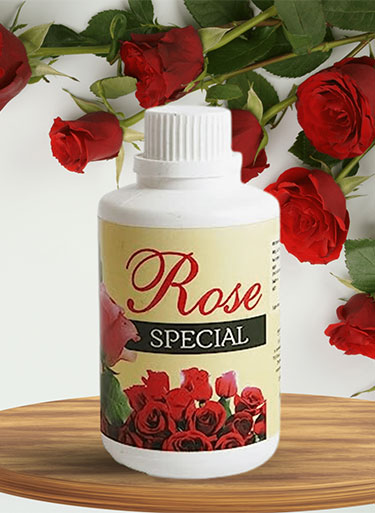
Special Rose Fertilizers (Recommended)
Many rose growers prefer fertilizers with a higher middle number — such as 10-30-20 or 12-36-14 N-P-K — because the extra phosphorus supports strong flowering.
These fertilizers are widely available in Indian nurseries and gardening stores and are often labelled for roses and flowering plants.
Organic Alternatives (Great for Indian Gardens)
Organic inputs are beloved among terrace and home gardeners across India:
  • Well-rotted farmyard manure (FYM) — enriches soil texture and microbial life.
  • Vermicompost — provides slow-release nutrients and improves soil aeration.
  • Bone meal — rich in phosphorus for stronger root and bloom development.
  • Cocopeat + compost mixes — improve water retention during hot months.
These organic methods, similar to advice on VitaChat, help roses grow vigorously without harsh chemicals and nurture soil health for longer.
A Simple Feeding Schedule for Roses
Here’s a practical plan for rose lovers in India:
Table

Copy
Time of Year Fertilizer Type
Early Spring / New Growth Balanced all purpose (e.g., 10-10-10)
Before Major Blooming Season Rose-specific fertilizer (high P)
Mid-Season Organic compost + light fertilizer top-up
Monsoon / Heavy Rain Reduce chemical fertilizer; rely on organic matter
This hybrid approach gives roses a good base and pushes flowering when it matters most.
Tips for Indian Conditions
  • Clay soil regions (e.g., Delhi/Gurgaon): Add plenty of compost and sand to improve drainage.
  • Heavy monsoon areas (e.g., Mumbai/Kolkata): Avoid over-fertilizing before rains — nutrients can get washed away.
  • Terrace gardens (e.g., Bangalore/Hyderabad): Use slow-release and organic fertilizers to avoid frequent watering.
Conclusion
All purpose plant food can work for roses, especially early in the season or in mixed beds.
But roses perform their best when given nutrition geared toward flowering, like fertilizers higher in phosphorus.
Organic options like vermicompost, bone meal, and well-rotted manure also work wonders in Indian soil and are kinder to long-term soil health.

vitachatorganic

0
    0
    Your Cart
    Your cart is emptyReturn to Shop