FREE Express Shipping On Orders Rs.999

Best Granular Fertilizer for Growing Healthy Roses

Roses are among the most loved garden plants, admired for their beauty, fragrance, and elegance. However, to produce vibrant blooms and strong stems, roses require proper nutrition. One of the most effective ways to supply nutrients consistently is by using granular fertilizer. Unlike liquid fertilizers that provide quick but short-term feeding, granular fertilizers release nutrients gradually, supporting steady plant growth.

If you want healthier plants, larger flowers, and longer blooming cycles, choosing the right granular fertilizer is essential.

Why Roses Need Granular Fertilizer

Roses are considered heavy feeders. They require a steady supply of nutrients throughout their growing season to maintain lush foliage and produce abundant flowers.

Granular fertilizers are especially beneficial because they release nutrients slowly into the soil. This slow-release mechanism ensures that the roots absorb nutrients over time rather than receiving a sudden surge. It also reduces the risk of over-fertilizing, which can damage the plant.

Additionally, granular fertilizers improve soil fertility over time, supporting healthier root development and stronger plants.

Key Nutrients Roses Require

When selecting a granular fertilizer for roses, it is important to look for a balanced nutrient composition. The three primary nutrients listed on fertilizer packages are nitrogen (N), phosphorus (P), and potassium (K).

Nitrogen promotes healthy green foliage and strong stem growth.
Phosphorus encourages root development and helps produce bigger, more vibrant flowers.
Potassium strengthens plant immunity and improves overall plant health.

Many rose fertilizers also include secondary nutrients such as magnesium, calcium, and iron, which support leaf color and overall plant vitality.

Best Types of Granular Fertilizers for Roses

Several types of granular fertilizers work well for rose plants, depending on your gardening preference and soil condition.

Balanced NPK Fertilizer: A balanced formula such as 10-10-10 or 12-12-12 is suitable for general rose care. It provides equal amounts of the three essential nutrients and supports consistent growth.

Organic Granular Fertilizer: Organic options made from composted manure, bone meal, or plant-based ingredients provide slow, natural nutrition while improving soil quality. They also support beneficial soil microorganisms.

Specialized Rose Fertilizer: Some granular fertilizers are formulated specifically for roses. These blends often include micronutrients and organic additives that enhance flowering and overall plant health.

How to Apply Granular Fertilizer to Roses

Proper application ensures that roses receive the full benefits of the fertilizer.

Start by watering the soil lightly before applying the fertilizer. Sprinkle the recommended amount around the base of the plant, keeping it a few inches away from the stem. Lightly mix the fertilizer into the top layer of soil and water the area thoroughly afterward.

Fertilizing roses every four to six weeks during the growing season usually provides optimal results. However, it is best to avoid fertilizing during extreme heat or when the plant is dormant.

Additional Tips for Healthy Roses

Fertilizer works best when combined with good gardening practices. Ensure that your roses receive at least six hours of sunlight each day and are planted in well-draining soil. Regular pruning, mulching, and watering also play a significant role in maintaining plant health.

Mulch helps retain soil moisture and slowly adds nutrients as it decomposes, which further supports rose growth.

Granular fertilizer is an excellent choice for gardeners who want to grow strong, healthy roses with abundant blooms. By choosing a balanced or organic fertilizer and applying it properly, you can provide roses with the nutrients they need throughout the growing season. With the right care and feeding routine, your rose garden can flourish with vibrant flowers and healthy foliage year after year.


Best Ways to Repair Lawn Damage Caused by Lawn Grubs

A lush green lawn is often the pride of any home garden. However, lawn grubs can quickly turn that healthy turf into brown, patchy grass. These pests feed on the roots of grass, weakening the lawn and making it vulnerable to further damage from heat, drought, and animals searching for food. If you notice irregular brown patches or turf that lifts easily from the soil, lawn grubs could be the culprit. The good news is that with the right approach, lawn damage caused by grubs can be repaired and your lawn can regain its healthy appearance.

Identifying Lawn Grub Damage

Before repairing the lawn, it is important to confirm that grubs are responsible for the damage. Lawn grubs are the larvae of beetles and they live beneath the soil surface. They feed on grass roots, which reduces the plant’s ability to absorb water and nutrients.

Common signs of grub damage include:

  • Brown or yellow patches appearing suddenly in the lawn
  • Grass that feels spongy underfoot
  • Turf that lifts easily like a loose carpet
  • Increased bird, raccoon, or mole activity digging into the lawn

If you dig a few inches into the affected soil and notice several white, C-shaped larvae, it confirms the presence of lawn grubs.

Remove or Control the Grubs

Repairing the lawn will only be effective if the grubs are first eliminated. Otherwise, new grass will suffer the same fate.

There are several methods to control lawn grubs:

Biological treatments: Beneficial nematodes are microscopic organisms that naturally attack and kill grubs. They are safe for pets, people, and the environment.

Organic solutions: Neem-based treatments and certain natural soil treatments can help reduce grub populations.

Targeted lawn treatments: In severe infestations, lawn-safe grub control products can be applied according to instructions to reduce the population effectively.

Treating the soil during the early stage of grub development is often the most effective way to prevent further damage.

Rake and Remove Dead Grass

Once the grubs are controlled, the next step is to remove the damaged turf. Dead grass blocks sunlight and prevents new growth.

Use a rake to gently remove the dry, brown patches and loosen the soil surface. This step also improves air circulation and allows new seeds or sod to establish better contact with the soil.

If the damaged area is large, lightly tilling the top layer of soil can help create a suitable base for reseeding.

Improve Soil Health

Grub damage weakens the soil along with the grass roots. Restoring soil health is essential for successful lawn repair.

Adding organic compost to the affected area helps improve soil structure, nutrient levels, and moisture retention. Healthy soil encourages stronger root development, which helps grass recover more quickly.

A balanced lawn fertiliser may also be applied to support the regrowth process.

Reseed or Patch the Lawn

After preparing the soil, reseeding is one of the most effective ways to repair grub damage.

Spread grass seed evenly across the damaged areas and lightly rake it into the soil. Water the area gently but consistently to keep the soil moist until new grass begins to grow.

For larger damaged patches, laying fresh turf or sod can provide faster results and restore the lawn’s appearance quickly.

Maintain Proper Lawn Care

Preventing future grub damage involves maintaining a strong and healthy lawn.

Regular mowing, deep watering, and seasonal fertilisation encourage deeper root systems that make grass more resilient. Aerating the lawn once a year can also improve soil drainage and root health.

Monitoring your lawn during warmer months can help detect early signs of grub activity before significant damage occurs.

Lawn grub damage can be frustrating, but it is not permanent. By identifying the problem early, controlling the grub population, and restoring the lawn through proper soil care and reseeding, homeowners can bring their lawn back to life. With consistent lawn maintenance and preventive measures, it is possible to keep your lawn healthy, green, and resistant to future pest problems.

Benefits of Coriander Seeds Water for Thyroid Disorders

Thyroid disorders have become increasingly common in recent years, affecting people of different age groups. The thyroid gland plays a crucial role in regulating metabolism, energy levels, and hormone balance in the body. When the thyroid does not function properly, it may lead to conditions such as hypothyroidism or hyperthyroidism, which can affect overall health. Along with medical treatment and a balanced diet, some natural remedies are often explored to support thyroid health. One such traditional remedy is coriander seeds water.

Coriander seeds, known as dhania in India, have been used in traditional diets and herbal practices for generations. Drinking coriander seeds water is believed to provide several health benefits, including supporting thyroid function.

What Is Coriander Seeds Water?

Coriander seeds water is a simple preparation made by soaking or boiling coriander seeds in water. The mixture is usually consumed in the morning on an empty stomach. The seeds release beneficial compounds into the water, making it a natural drink that is easy to include in a daily routine.

Coriander seeds are rich in essential nutrients, antioxidants, and plant compounds that may support various bodily functions.

Supports Hormonal Balance

One of the reasons coriander seeds water is often recommended in traditional wellness practices is its potential role in supporting hormonal balance. The thyroid gland produces hormones that regulate metabolism, and maintaining balanced hormone levels is important for overall health.

Coriander seeds contain natural compounds and antioxidants that may help support endocrine health. While it is not a cure for thyroid disorders, incorporating coriander seeds water into a healthy lifestyle may help support the body’s natural balance.

Rich in Antioxidants

Coriander seeds contain antioxidants that help protect the body from oxidative stress. Oxidative stress occurs when harmful molecules known as free radicals damage cells in the body. This stress can affect various organs, including the thyroid gland.

By providing antioxidant support, coriander seeds may help protect cells and support overall wellness. Antioxidants also play a role in maintaining healthy metabolism and immune function.

May Support Metabolism

The thyroid gland directly influences metabolism, which controls how the body converts food into energy. Individuals with thyroid imbalances may experience fatigue, weight changes, or sluggish metabolism.

Coriander seeds are traditionally known for their digestive and metabolic benefits. Drinking coriander seeds water may help support digestion and improve metabolic activity, which can indirectly benefit people dealing with thyroid-related concerns.

Helps in Detoxification

Another benefit associated with coriander seeds water is its ability to support natural detoxification. The body constantly works to remove toxins through the liver, kidneys, and digestive system.

Coriander seeds are believed to help flush out certain toxins and support liver function. A healthy detoxification process can contribute to better hormonal balance and overall health.

Supports Digestive Health

Digestive health plays an important role in nutrient absorption, which is essential for thyroid function. Nutrients such as iodine, selenium, and zinc are important for maintaining thyroid health.

Coriander seeds are known for supporting digestion and reducing bloating or discomfort. Drinking coriander seeds water may help improve digestion and ensure the body absorbs essential nutrients more effectively.

Easy to Prepare

Preparing coriander seeds water is simple. A common method is to soak one teaspoon of coriander seeds in a glass of water overnight. In the morning, the water can be boiled, strained, and consumed warm. Some people prefer drinking the soaked water directly without boiling.

Regular consumption, combined with a healthy diet and medical guidance, may help support overall wellbeing.

Coriander seeds water is a traditional and natural drink that may offer several health benefits, including antioxidant support, improved digestion, and metabolic balance. While it cannot replace medical treatment for thyroid disorders, it may complement a healthy lifestyle.

For individuals looking for simple natural habits to support wellness, coriander seeds water can be a beneficial addition to daily routines. As with any health practice, it is always advisable to consult a healthcare professional, especially when dealing with thyroid conditions.


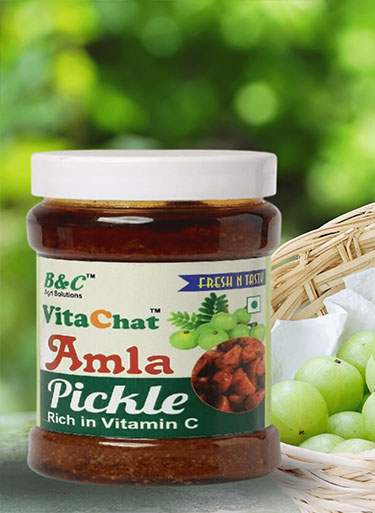
Pickles can be both delicious and nutritious when consumed in moderation. They may provide vitamins, minerals, antioxidants, and digestive benefits depending on the ingredients and preparation method. Traditional Indian pickles, prepared with natural spices and ingredients, continue to be a valuable part of everyday meals.

Rather than avoiding pickles completely, the key is balance. Adding a small portion of pickle to your meal can enhance flavour while still supporting a healthy diet. When chosen wisely and enjoyed in reasonable amounts, pickles can remain a tasty and beneficial addition to your plate.

Are Pickles Healthy? Vitamins and Nutrients Explained

Pickles have been a beloved part of traditional diets for centuries. In India, they are more than just a side dish—they are a flavourful companion to everyday meals. From mango and lemon pickles to mixed vegetable varieties, pickles add a tangy and spicy twist to simple dishes like rice, dal, and paratha. However, many people wonder whether pickles are actually healthy or simply a tasty indulgence. Understanding the vitamins and nutrients in pickles can help answer this question.

What Are Pickles Made Of?

Pickles are usually prepared by preserving fruits or vegetables in salt, oil, vinegar, or brine along with spices. Common ingredients include mango, lemon, chilli, garlic, carrots, and cucumbers. Traditional Indian pickles often include spices such as mustard seeds, fenugreek, turmeric, red chilli powder, and asafoetida.

The pickling process not only enhances flavour but also helps preserve the ingredients for long periods. Depending on the preparation method, pickles may also develop beneficial compounds during fermentation.

Nutritional Value of Pickles

Pickles may seem like a small addition to a meal, but they can contain several important nutrients. The exact nutritional content depends on the type of pickle and ingredients used, but many pickles provide vitamins, minerals, and natural antioxidants.

  1. Vitamins
    Certain pickled vegetables and fruits contain vitamins such as vitamin C, vitamin A, and small amounts of B vitamins. For example, lemon and mango pickles can provide vitamin C, which supports immunity and overall health.
  2. Minerals
    Pickles may contain minerals like iron, calcium, and potassium depending on the ingredients used. Spices such as mustard seeds and fenugreek also contribute trace minerals that support metabolic functions.
  3. Antioxidants
    Many spices used in pickles contain antioxidants that help protect the body from oxidative stress. Ingredients like turmeric, garlic, and chilli are known for their natural antioxidant properties.

Digestive Benefits

Traditional pickling methods, especially fermentation, can support digestive health. Fermented pickles may contain beneficial bacteria that contribute to gut health. These probiotics can help improve digestion and maintain a healthy balance of gut microorganisms.

Spices used in Indian pickles also play a role in digestion. For example, mustard seeds and fenugreek are commonly used in pickles and are traditionally believed to support digestive processes.

Energy and Appetite Boost

Pickles are known for their strong flavour, which can stimulate appetite. A small serving of pickle can make simple meals more enjoyable, encouraging better food intake. This can be particularly helpful for individuals who have reduced appetite or prefer flavourful meals.

In many Indian households, pickles are used to add taste and excitement to everyday foods, making even plain rice or roti more satisfying.

Things to Keep in Mind

While pickles offer certain nutritional benefits, they should be consumed in moderation. Many pickles contain high amounts of salt and oil, which are necessary for preservation but may not be ideal in excessive quantities.

Eating too much pickle may increase sodium intake, which can affect blood pressure for some individuals. Therefore, it is best to enjoy pickles as a small accompaniment rather than the main component of a meal.

Choosing high-quality pickles made with natural ingredients can also make a difference. Products prepared using traditional methods and balanced spices often retain better flavour and nutritional value.


Coriander Powder vs Dhania: Are They the Same Spice?

If you often cook Indian food or read spice labels online, you may notice two common terms ,coriander powder and dhania. Many people wonder whether these are two different spices or simply different names for the same ingredient. The truth is simpler than it seems. In most cases, coriander powder and dhania refer to the same spice, but the terminology can vary depending on language, culture, and the form of the ingredient.

Let’s explore the difference and clear the confusion.

Understanding the Coriander Plant

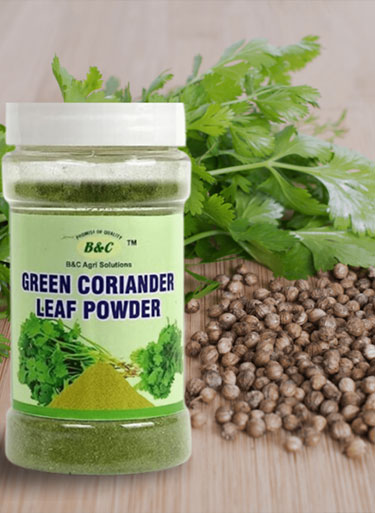
Coriander comes from the plant Coriandrum sativum, a popular herb used worldwide in cooking. Different parts of this plant are used in the kitchen. The leaves are commonly known as coriander leaves or cilantro, while the seeds are used as a spice.

In Indian languages, particularly Hindi, the word “dhania” refers to coriander. Fresh leaves are called hara dhania, while the dried seeds are known as sabut dhania. When these seeds are ground into powder, the spice becomes dhania powder, which is essentially the same as coriander powder.

So, when you see coriander powder and dhania powder on packaging or recipes, they usually describe the same spice made from ground coriander seeds.

Coriander Powder vs Dhania Powder

In practical cooking terms, there is usually no difference between coriander powder and dhania powder. The difference is mainly linguistic.

  • Coriander powder– English name commonly used internationally
  • Dhania powder– Hindi/Indian name for the same spice

Both are made by drying coriander seeds and grinding them into a fine powder. The spice has a mild, earthy flavour with slightly citrusy and nutty notes.

It is widely used in Indian cooking for curries, lentils, vegetable dishes, marinades, and spice blends like garam masala.

Fresh Coriander vs Coriander Powder

One reason people get confused is because the coriander plant produces two very different ingredients:

Coriander Leaves (Hara Dhania / Cilantro)

  • Used fresh as a garnish
  • Adds a bright, herbal flavour
  • Often added at the end of cooking

Coriander Seeds or Powder (Dhania)

  • Used as a dry spice
  • Ground into coriander powder
  • Adds warmth and depth to curries

Although they come from the same plant, these ingredients serve different purposes in cooking and have completely different flavour profiles.

Why Coriander Powder Is Important in Indian Cooking

Coriander powder is considered a foundation spice in many Indian recipes. It balances strong spices such as chilli, turmeric, and cumin while adding aroma and depth.

Some common dishes that use coriander powder include:

  • Vegetable curries
  • Dal and lentil dishes
  • Chicken or mutton gravies
  • Spice mixes and marinades
  • Chutneys and masala blends

Because of its mild flavour, coriander powder blends easily with other spices and enhances overall taste without overpowering the dish.

Health and Nutritional Benefits

Besides its flavour, coriander powder also provides several nutritional benefits. It contains natural antioxidants and essential oils that may help support digestion and metabolism.

In traditional cooking, coriander has also been associated with aiding digestion and improving gut health.

To summarise, coriander powder and dhania powder are essentially the same spice. The only difference lies in the language used to describe it. Coriander powder is the English name, while dhania powder is the commonly used Indian term for ground coriander seeds.

Understanding this simple distinction can make cooking and grocery shopping much easier. Whether your recipe calls for coriander powder or dhania powder, you can confidently use the same spice to bring authentic flavour to your dishes.

For home cooks exploring Indian cuisine, keeping this versatile spice in your kitchen is almost essential. Its warm, aromatic flavour forms the backbone of many traditional recipes and continues to be a staple in kitchens around the world.

vitachatorganic

0
    0
    Your Cart
    Your cart is emptyReturn to Shop